EN
EN RU
RU

 Industry News
 How Should Global Buyers Evaluate Chinese Manufacturers?
2026-09-11
2026-09-09
2026-09-02
2026-08-28
2026-07-13
2026-04-29

 Current Affairs
In today’s molecular biology laboratories, data reproducibility has become a key benchmark for research quality.However, in practice, variability during high-throughput sample handling, operator fatigue from prolonged use, and frequent recalibration requirements continue to slow down workflows and increase operational costs.
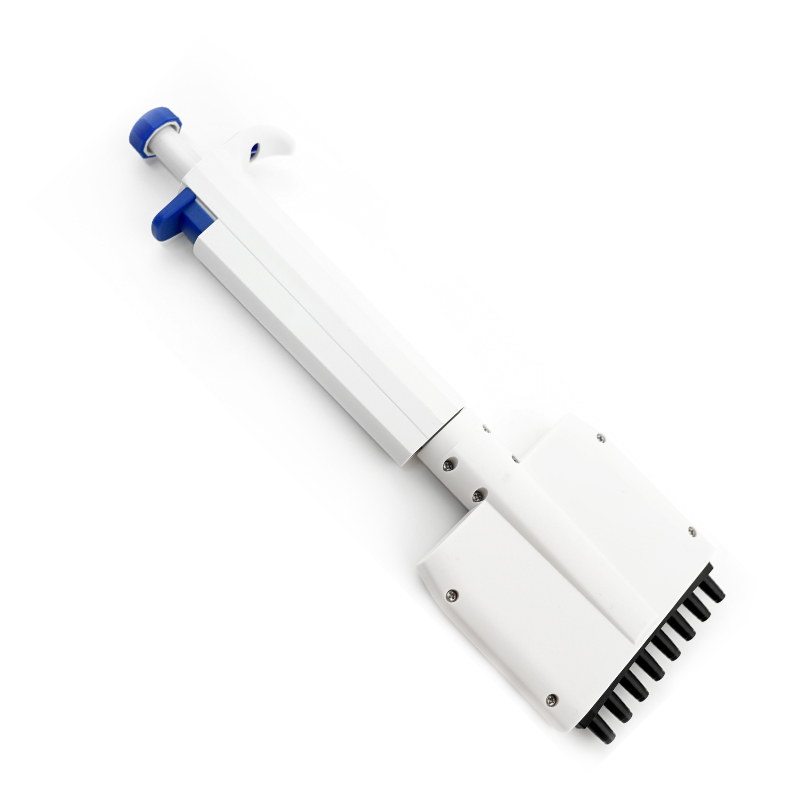
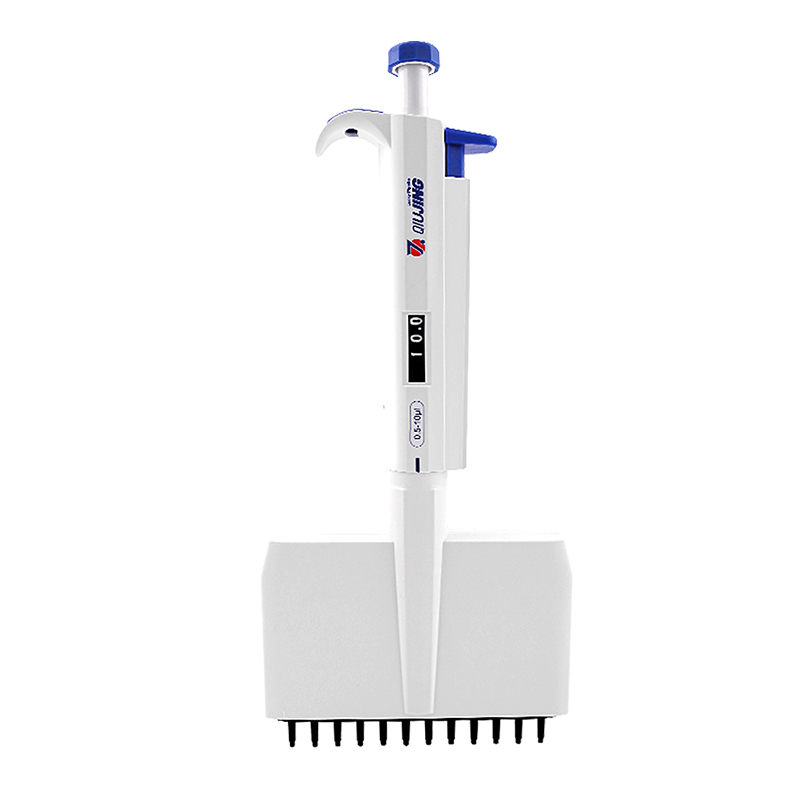
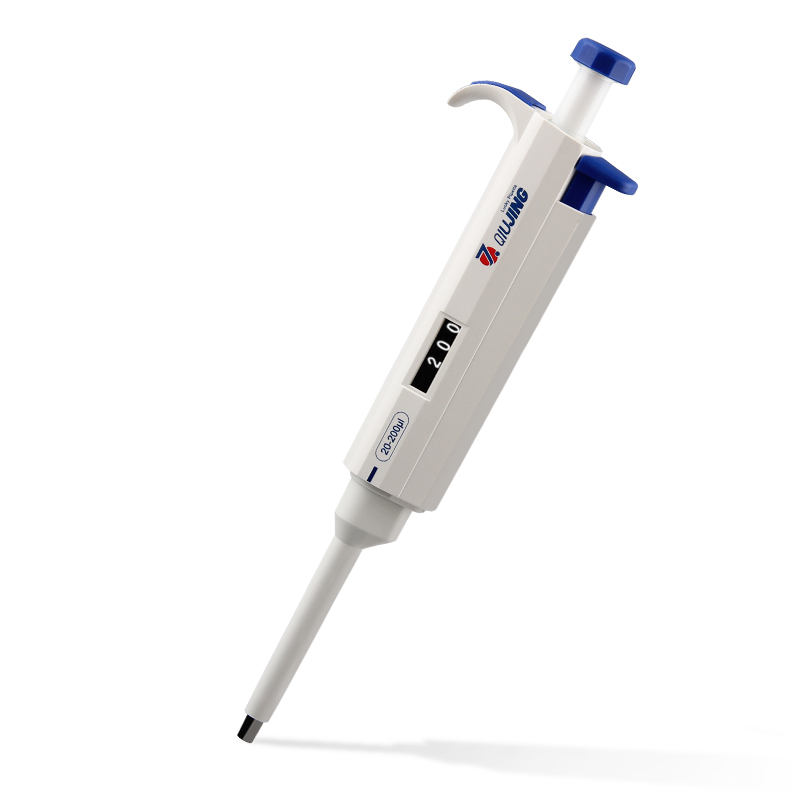
This high-performance pipette is engineered specifically for molecular biology applications, balancing accuracy, ergonomics, and consistency:
Typical Use Case
A genetic testing company processing over 2,000 PCR samples daily reported the following after adopting this pipette:
Many pipettes perform reliably in routine experiments, but limitations become more apparent in demanding molecular biology settings:
Key Differentiators
In essence, this is not just a pipette—it is a tool designed to support optimized high-throughput workflows.
What Is High-Throughput PCR Pipetting Optimization?
A typical molecular biology workflow includes:
Each step depends on pipetting precision and consistency. Even small deviations can affect overall data reliability.
Role of This Pipette in the Workflow
Resulting benefits:
User Feedback
A biotech R&D team leader noted:
“Batch variability was a concern with our previous pipettes. After switching, we observed more consistent results, and operators were more comfortable during extended use.”
A lab supervisor added:
“The volume locking feature may seem simple, but it significantly reduced operational errors.”
Why CV Matters in High-End Pipettes?
The coefficient of variation (CV) directly affects experimental reproducibility.In sensitive applications like qPCR and NGS, a CV above 1% may influence result reliability.
Maintaining CV below 0.5% provides a stronger margin for consistent outcomes.
Does Operator Fatigue Affect Results?
Yes—and often underestimated.Fatigue can introduce small but cumulative inconsistencies, impacting overall data quality.Ergonomic design helps minimize this human variable.
Why is range locking more important than automatic calibration?
Auto calibration addresses issues after they occur,volume locking helps prevent errors before they happen.This distinction supports smoother workflows and reduced interruptions.
Q1: Should I choose single-channel or multichannel pipettes?
Depends on throughput. High-throughput workflows generally benefit from multichannel pipettes.
Q2: How often should pipettes be calibrated?
Typically every 3–6 months. Devices with volume locking may reduce calibration frequency.
Q3: How do I evaluate pipettes for high-precision applications?
Focus on CV, ergonomic design, and long-term stability—not just brand.
If you are planning a lab upgrade or building a new facility, pipette performance can be a critical—yet often overlooked—factor influencing overall productivity.
Disclaimer: This website respects intellectual property rights. If any infringement is found, please contact this website in a timely manner for handling.
Our hours


Public Account



 IPv6 network supported