CIPM 2026: Key Areas to Watch in Pharmaceutical Manufacturing and Laboratory Equipment
CIPM 2026: Key Areas to Watch in Pharmaceutical Manufacturing and Laboratory Equipment
The pharmaceutical industry depends on reliable equipment, controlled manufacturing processes, and accurate analytical testing to support product quality and regulatory compliance. For pharmaceutical manufacturers, quality control laboratories, and research teams, equipment selection involves more than comparing specifications. Performance consistency, data traceability, system integration, and long-term technical support also influence purchasing decisions.
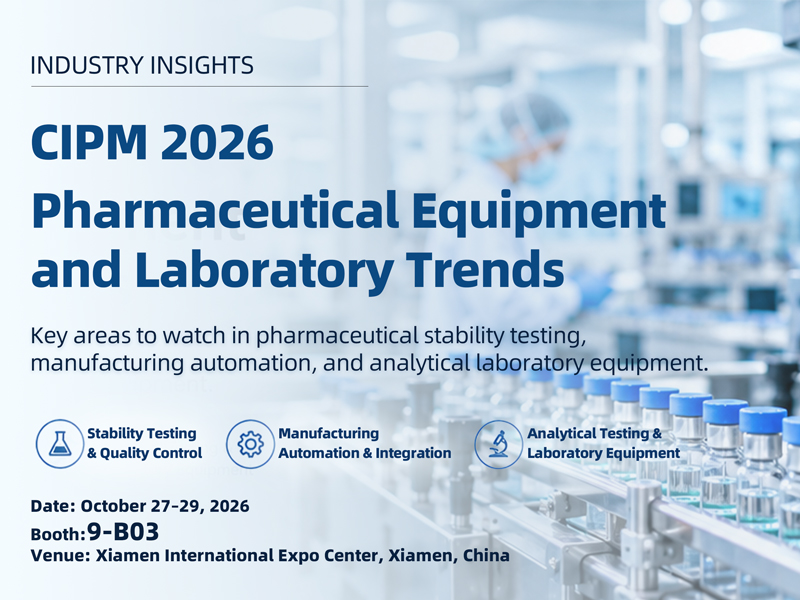
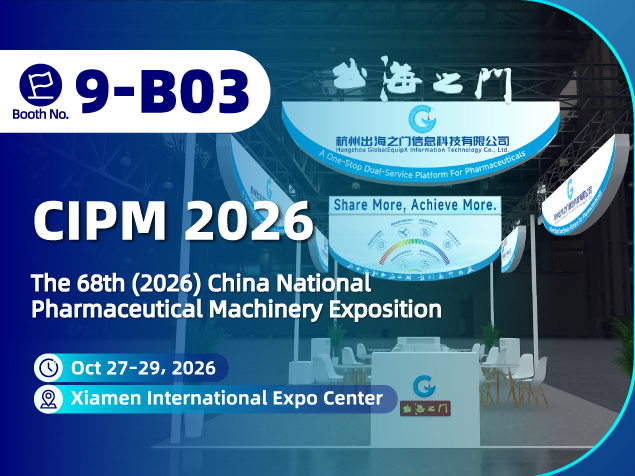
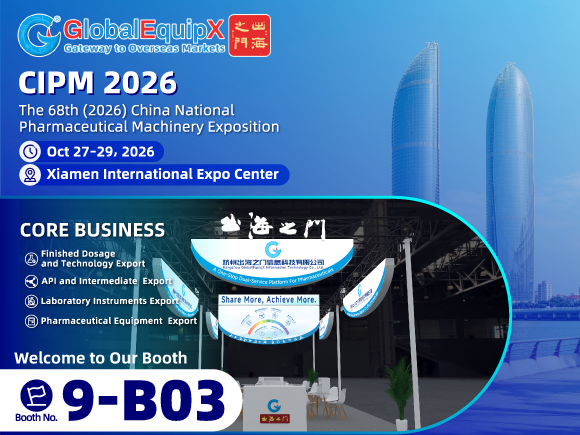
The 68th China National Pharmaceutical Machinery Exposition and 2026 China International Pharmaceutical Machinery Exposition (CIPM 2026) will take place from October 27 to 29, 2026, at Xiamen International Expo Center, China. The event brings together pharmaceutical equipment manufacturers, technology providers, and industry professionals to exchange technical information and explore business opportunities.
As the exhibition approaches, three areas merit particular attention: pharmaceutical stability testing and quality control, manufacturing automation and process integration, and analytical testing and laboratory equipment. These areas offer a practical framework for evaluating equipment requirements and understanding the considerations that shape pharmaceutical procurement.
1. Pharmaceutical Stability Testing and Quality Control
Stability testing helps establish how the quality of a drug substance or drug product changes over time under specified environmental conditions. Temperature, humidity, and light exposure may affect product quality, making controlled testing an important part of pharmaceutical development and quality assessment.
The International Council for Harmonisation (ICH) provides relevant guidance through its stability-testing guidelines, including Q1A(R2) for new drug substances and products and Q1B for photostability testing. Applicable requirements depend on the product, study design, and regulatory context.
Equipment considerations
Pharmaceutical stability chambers are designed to maintain specified environmental conditions for stability studies. Photostability chambers support studies investigating the effects of light exposure on pharmaceutical materials and products.
When evaluating these systems, buyers should consider:
l Temperature and humidity control across the intended operating range.
l Environmental uniformity within the working chamber.
l Monitoring, alarm, and data-recording capabilities.
l Calibration arrangements and access to maintenance documentation.
l Recovery performance following routine operating disturbances.
l Technical support for installation, maintenance, and troubleshooting.
·
These factors should be assessed against the intended study protocol rather than treated as universal performance requirements.
For manufacturers, clear technical specifications and documented test results help customers determine whether a chamber is suitable for their applications. Equipment selection should also account for the laboratory's procedures for handling deviations, reviewing environmental records, and maintaining equipment.
The key consideration is not simply whether a chamber can reach a specified temperature or humidity, but whether its documented performance supports the intended study requirements.
2. Manufacturing Automation and Process Integration
Automation and digitalization are important considerations in pharmaceutical manufacturing, particularly where production consistency, operational visibility, and documentation are priorities.
Manufacturers may automate individual operations or integrate multiple production stages through connected equipment and manufacturing information systems. The appropriate approach depends on the production process, facility infrastructure, product requirements, and available resources.
Technologies to evaluate
Relevant technologies include automated production equipment, material-handling systems, manufacturing execution systems (MES), electronic batch records, process monitoring, and automated inspection.
Their potential benefits depend on the specific application and implementation. For example, connected equipment may improve access to operating data, while automated inspection may support more consistent execution of defined inspection tasks.
However, automation alone does not establish regulatory compliance. Pharmaceutical manufacturers must evaluate the intended use of each system and determine the applicable requirements for qualification, validation, access control, electronic records, and data integrity.
Equipment suppliers should be able to explain available interfaces, system requirements, installation arrangements, and the scope of their technical support. Where multiple vendors are involved, responsibilities for integration, software configuration, maintenance, and troubleshooting should be established before commissioning.
For procurement teams, a structured evaluation should address both immediate operational needs and future integration requirements. Compatibility with existing equipment, documentation practices, and maintenance resources can influence the overall suitability of a proposed solution.
For manufacturers supplying international markets, transparent documentation and clearly defined integration capabilities help customers assess technical fit without relying on broad claims about automation or digital transformation.
3. Analytical Testing and Laboratory Equipment
Analytical testing supports pharmaceutical research, raw-material assessment, process development, and quality control. The choice of laboratory equipment depends on the analytical method, sample characteristics, required measurement performance, and the laboratory's operating procedures.
For pharmaceutical laboratories, equipment must be suitable for its intended application and supported by appropriate documentation, maintenance arrangements, and technical assistance.
Equipment categories and selection criteria
Chromatography and analytical instruments
Chromatographic systems are used in many pharmaceutical analytical workflows. Buyers should assess method compatibility, analytical performance, system configuration, software capabilities, and service availability. The suitability of an instrument must be established for the intended analytical procedure.
Centrifuges and sample preparation equipment
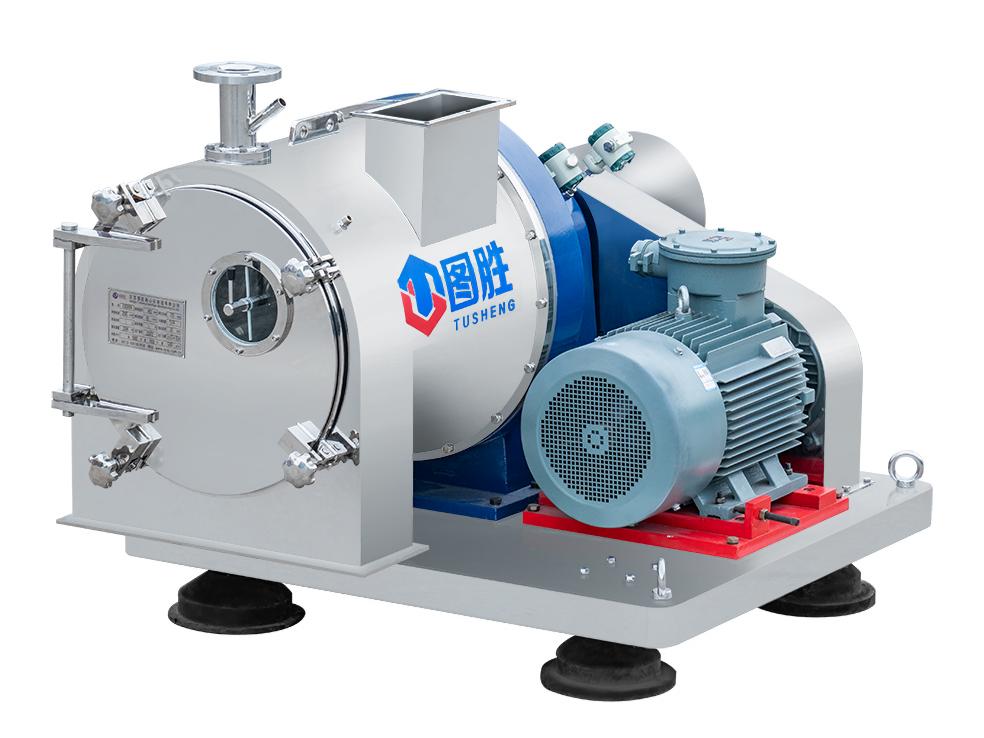
These instruments support sample separation and preparation across laboratory workflows. Relevant considerations include capacity, speed, temperature control where applicable, sample compatibility, safety features, and maintenance requirements.
Particle measurement and testing equipment
Particle characterization may be relevant to selected pharmaceutical formulations, raw materials, and process applications. The appropriate measurement technique depends on the properties being assessed and the intended use of the results.
Laboratory glassware washers
Automated glassware washers can support standardized laboratory cleaning procedures. Buyers should review available wash programs, load configurations, water quality requirements, drying functions, and the documentation needed to support their cleaning procedures.
Documentation and application suitability
Before purchasing analytical equipment, laboratories should confirm that the instrument can support their intended methods and workflows. They should also review operating manuals, maintenance requirements, calibration arrangements, software documentation, and the availability of consumables and spare parts.
Where applicable, analytical procedures should be validated in accordance with relevant guidance, such as ICH Q2(R2), with the specific requirements determined by the intended analytical use and applicable regulatory framework.
No single instrument specification or certification establishes suitability for every pharmaceutical application. A sound purchasing decision requires a documented assessment of the intended use, performance requirements, and supporting evidence.
4. What Pharmaceutical Equipment Buyers Should Evaluate
Across stability testing, manufacturing automation, and analytical testing, several considerations apply to equipment procurement.
Performance and application fit: Confirm that specifications and supporting evidence address the intended process, study, or analytical method.
Documentation and quality requirements: Review the technical documentation and determine which qualification, validation, calibration, or other records are required for the application. Applicable GMP, ISO, and other requirements should be assessed in context rather than assumed to apply identically to every product.
Integration and operation: Consider installation conditions, utilities, interfaces, operator training, maintenance access, and compatibility with existing systems.
Service and lifecycle support: Clarify warranty terms, spare-parts availability, maintenance arrangements, response procedures, and the scope of technical assistance.
Supplier communication: Request clear specifications, realistic delivery information, defined customization options, and written confirmation of any application-specific requirements.
For international buyers, these checks can support more consistent supplier comparisons and help identify potential technical or operational gaps before an order is placed.
For equipment manufacturers, accurate product information and responsive technical communication make it easier for prospective customers to assess suitability and understand the proposed scope of supply.
5. CIPM 2026 and Opportunities for Industry Collaboration
CIPM 2026 provides an opportunity for pharmaceutical manufacturers, equipment suppliers, laboratory professionals, and procurement teams to exchange technical information and discuss manufacturing requirements.
Ahead of the exhibition, the most useful areas to explore include stability-testing requirements, automation and integration challenges, analytical laboratory workflows, equipment documentation, and after-sales support.
For Chinese equipment manufacturers seeking international business, these discussions can help clarify overseas customer requirements and identify areas where product configuration, technical documentation, or service arrangements may need further development.
For international buyers, direct discussions with suppliers provide an opportunity to clarify specifications, understand available options, and determine whether a product warrants further technical evaluation. Any performance, compliance, or customization claims should be confirmed through the relevant product documentation and supplier discussions.
As the exhibition approaches, these three technical areas offer a practical starting point for identifying relevant equipment categories and preparing focused procurement discussions.
Event Information
Event: The 68th China National Pharmaceutical Machinery Exposition & 2026 China International Pharmaceutical Machinery Exposition
Date: October 27–29, 2026
Booth:9-B03
Venue: Xiamen International Expo Center, Xiamen, China
Official website: https://www.cipm-expo.com/
Explore Pharmaceutical and Laboratory Equipment with GlobalEquipX
GlobalEquipX connects international buyers with Chinese manufacturers of pharmaceutical equipment, laboratory instruments, and related technologies.
Whether you are assessing stability-testing equipment, reviewing laboratory requirements, or exploring manufacturing and quality-control solutions, our team can help you identify relevant product categories and connect with suitable suppliers.
Contact GlobalEquipX to discuss your equipment requirements and explore available products and supplier capabilities.
October 21, 2026
102
 EN
EN RU
RU


 Industry News
 How Should Global Buyers Evaluate Chinese Manufacturers?

 Current Affairs












 IPv6 network supported