Renovating Historical Labs: Refresh Without Losing Their Soul
Q1: Why give old labs a makeover and upgrade them to modern standards?
A1: Many old labs hold decades of scientific stories—maybe an old workbench from a classic experiment, still carrying the warmth of the researcher’s hands from back then; or yellowed hand-drawn experiment diagrams, recording early research ideas. But modern research is a different game now: little precision tools like high-throughput sequencers and low-temperature centrifuges have super high demands for stable power and proper humidity, and the old circuits and ventilation in these labs just can’t handle it. Plus, modern experiments rely on team collaboration—those old cramped single-room layouts can barely fit a shared data screen, let alone a team. And don’t even get started on stricter environmental and safety standards: old fume hoods can’t fully vent harmful gases, and dumping wastewater directly might pollute the environment. Without upgrades, these “story-filled old pals” either end up as decorations or feel like sitting on a time bomb if you force them into use. So a renovation lets them keep contributing to research while holding onto their historical charm—total win-win!
Q2: What key points should we focus on during renovation to stay on track?
A2: First, “safety” must be top priority—modern labs have clear safety rules. For example, hazardous chemical storage areas need explosion-proof designs, and emergency showers must be ready to go within 30 seconds—no cutting corners. Then, make the most of space: stop random small room partitions, and create all-in-one areas that handle sample prep, data analysis, and small discussions. Place sample cabinets close to workbenches to cut down on unnecessary trips. Choose practical materials and equipment: go for inverter air conditioners and LED lights—they save a lot of electricity in the long run; smart water baths even lower their power automatically when not in use, super hassle-free. Basic systems are the tough part: replace old circuits with thicker cables and add voltage stabilizers (otherwise new instruments will trip the power as soon as they start). Upgrade ventilation to variable-frequency fans that adjust air flow, making sure harmful gases are fully vented. Finally, add thoughtful touches: use soft light colors for walls, adjustable-height workbenches, and a small sofa in the break area—when researchers feel comfortable, their work goes smoother.
Q3: How to keep an old lab’s “vintage charm” while adding modern features?
A3: The core is “preserve the old, blend in the new”—don’t erase its original character. For example, don’t paint all old brick walls white; leave one exposed to show its rough texture, then pair it with neat anti-corrosion glass partitions—vintage charm and modern safety click right away. Refurbish old wooden doors and windows: replace hardware with durable ones, add a layer of energy-saving glass—they’ll insulate better and block noise, while you can still see the original wood grain. Don’t throw away old cast-iron workbenches either: have a professional remove rust, add anti-corrosion paint, and replace the top with heat-resistant epoxy resin—these old workbenches can still handle modern experiments. Even lighting and colors can stir up memories: if the ceiling has wooden beams, use warm yellow spotlights to highlight them—their grain will stand out beautifully; hang old experiment photos on walls as decor—they add instant warmth. Keep modern devices out of sight too: install smart surveillance cameras in corners so they don’t ruin the old building’s overall beauty—this way, old and new blend naturally.
Q4: Which parts should be prioritized when upgrading equipment and facilities?
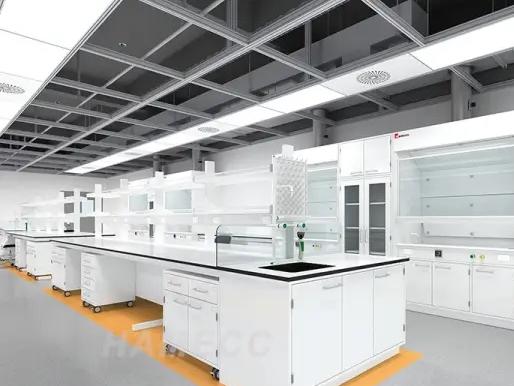
A4: First, give the lab a “smart brain”: add automated sample handlers—no more manual pipetting, which cuts down errors a lot; equip data collection platforms—experiment data automatically syncs to computers, no more handwritten notes; set up remote monitoring—check reactor temperature and pressure on your phone, and respond quickly if something goes wrong. Power is the “lifeline”: NMR spectrometers need huge power to start, so old circuits can’t handle them—replace with thicker cables and add independent voltage stabilizers (stable voltage means accurate instruments). Install more USB sockets (with anti-corrosion treatment—reagents spilled on them will ruin them otherwise). Make ventilation “breathable”: old fume hoods with just one fan aren’t enough—replace them with variable-airflow ones (crank up airflow for volatile experiments, lower it otherwise—energy-saving and safe). Add a fresh air system to keep air circulating, so researchers breathe less harmful gas. Manage wastewater and waste properly: install acid-base neutralization tanks and organic wastewater treatment units—only discharge after meeting standards; separate solid waste into zones (hazardous, regular, recyclable) with clear labels to avoid cross-contamination. Do all this, and you’ll end up with a lab that’s safe, efficient, and a joy to use.
Q5: Any tips for choosing renovation materials that avoid pitfalls and work well?
A5: First, pick “tough and eco-friendly” options: use epoxy resin paint for walls—it resists acid splashes and solvent wipes, and cleans up with a rag—perfect for experiment areas; lay PVC plastic flooring—it’s soft underfoot (no sore feet!), can handle heavy instruments, and resists wear. Second, choose easy-to-maintain materials: skip gypsum board for ceilings—go for aluminum (smooth surface, no dust buildup, easy to wipe); use marble for windowsills—spilled water or reagents won’t damage them, just wipe clean. For lighting, pick “bright and energy-saving”: use flat LED lights in work areas (bright but not harsh, so you can see sample color changes clearly); small downlights in corridors and break areas—just enough brightness, no wasted electricity. Don’t skimp on soundproofing: use aerated concrete blocks for partition walls (better soundproofing than regular brick—you barely hear centrifuges or fume hoods from outside); choose double-glazed windows and doors—block external noise in, and keep lab noise from disturbing others. You can also pick “breathable materials”: use particleboard desks (made from recycled wood, more eco-friendly than solid wood); stick bamboo fiber wallpaper on walls (bamboo grows fast, so it’s renewable—you’ll feel good using it).
Q6: What creative, practical, and comfortable modern ideas can be used for spatial layout?
A6: Try “modular” design—like building blocks: use glass partitions for experiment areas (move them to expand space when needed); fix workbenches with screws (if you need to add instruments later, just disassemble and reassemble—do what’s convenient). Create a “do-it-all zone”: put a large table in the center—use it for sample prep on usual days, turn it into a meeting table when colleagues come to discuss, and add a printer so you don’t have to run far to print reports—one zone replaces several, saving space and practical. Keep zones clear: put “dirty work areas” (sample prep, hazardous chemical storage) in corners, far from entrances; place offices and break areas near windows (good ventilation, plus you get sunlight)—don’t let contaminated zones “wander” into clean ones. Add more “chat corners”: put a few chairs next to the experiment area—chat with colleagues when you’re tired; set up small cubicles with computers and file cabinets—duck in for quiet data analysis or report writing, no distractions. Finally, “borrow” natural light: keep as many windows as possible (even expand them) so you don’t need lights during the day—space stays bright and cheerful; use light blue or green for some wall sections (easy on the eyes); replace solid walls with glass partitions—spot issues in any corner at a glance, safe and comfortable.
Q7: How to make renovations eco-friendly and long-lasting?
A7: Pick green materials: use water-based paint (no volatile harmful substances, no strong smell); choose glutinous rice glue (made from natural materials, safer than chemical glues). Replace with energy-saving equipment: inverter air conditioners (auto-adjust power when room temp is right—saves 30% more electricity than old ones); all LED lights (save 70% more electricity than incandescent bulbs, and last longer). Borrow natural power: don’t seal windows (expand them if possible)—open them for ventilation instead of always using fume hoods; place workbenches near windows to use natural light during the day (fewer lights on). Don’t waste wastewater or rainwater: install a rain barrel outside—collect rainwater for flushing toilets or watering plants at the lab entrance; filter and disinfect non-hazardous wastewater (from handwashing, mopping) and reuse it for flushing—cut down on tap water use. Sort construction waste: separate old bricks, metal, and wood—sell scrap metal, send wood and bricks to recycling facilities (don’t just bury everything). Follow green building standards (like LEED) overall—this way, the lab is eco-friendly and gives you peace of mind.
Q8: What headaches might pop up during renovation, and how to deal with them?
A8: The biggest headache is “protecting the old structure while adding new functions”—old labs might have brick-wood structures with poor load-bearing capacity, so installing heavy instruments is a dilemma: install them, and you risk collapsing the building; skip them, and you can’t meet modern research needs. Fix this by hiring a structural engineer for an “examination” first: use professional equipment to test how much weight walls and floors can handle; if insufficient, add steel beams or reinforcing bars—don’t mess around blindly. Budgets easily go over: repairing old walls or windows costs more than replacing them, so prioritize must-have upgrades (safety, power), and push decorative items to later. You can also apply for special subsidies from the government or your university to ease pressure. Old structures cause surprises during construction: you might find hidden cracks when removing old plaster, or hit old foundation stones when digging for new pipes. So do a detailed survey before construction—use radar to scan walls and floors, predict problems in advance, and prepare backup plans to avoid chaos. Approvals are tiring too: old labs are usually historical buildings, so you need approval from cultural heritage departments (submit renovation plans to explain how you’ll protect historical elements), construction management departments (for safety compliance), and sometimes environmental departments (to check wastewater treatment plans). Prepare materials in advance and communicate well with departments—don’t wait until construction starts to realize you’re missing approvals.
Q9: What will old lab renovations look like in the future?
A9: “Culture + intelligence” will be more user-friendly: install digital screens on walls to cycle through the lab’s old stories and classic experiment videos—learn its history as soon as you walk in; let AI manage equipment—auto-analyze data, remind you to restock reagents when they’re low, and alert you if instruments are about to fail—super hassle-free. “Green” will become a must: use ground-source heat pumps for heating and cooling (save more electricity than air conditioners); make workbenches from biodegradable materials (they’ll break down naturally when no longer needed, no pollution); calculate long-term operating costs more carefully—choose durable, energy-saving equipment (spend a bit more upfront, save more later). “Flexibility and multi-functionality” will be common: modular design will spread—turn a chemistry lab into a biology lab overnight with a few adjustments; add small lecture halls and exhibition areas—labs won’t just be for research, but also for academic meetings and science popularization. Finally, old and new will blend more naturally: no more separating vintage and modern—project old lab photos on original walls (tell stories without damaging the wall); use smart lights to highlight old wooden beams (make their grain clearer)—convenient and charming. Old labs will become “time stations” connecting the past and future.
Disclaimer: This website respects intellectual property rights. If any infringement is found, please contact this website in a timely manner for handling.
September 28, 2025
774
 EN
EN RU
RU


 Industry News
 How Should Global Buyers Evaluate Chinese Manufacturers?
 Current Affairs







 IPv6 network supported