Biological Safety Cabinets Explained: Selection, Safety, Maintenance, and Laboratory Compliance
Biological Safety Cabinets (BSCs) are essential equipment in modern laboratories handling biological materials. Yet many users—especially new labs, expanding facilities, or laboratories under regulatory pressure—still struggle with questions around selection, safety levels, airflow principles, and compliance.
This guide answers the most common user questions about biological safety cabinets, helping you understand what they are, how they work, and how to choose the right one for your application.
Q1: What Is a Biological Safety Cabinet and Why Is It Necessary?
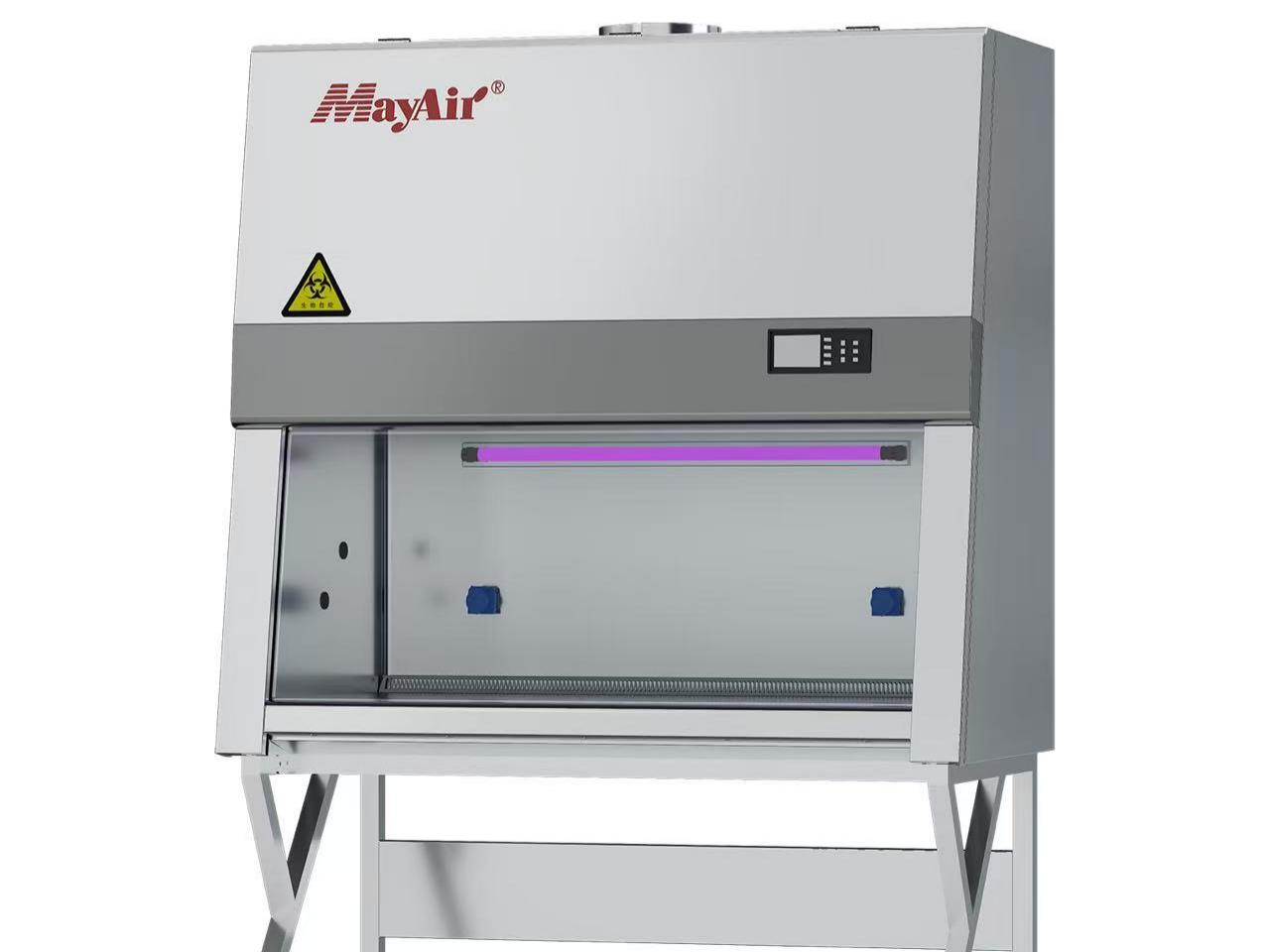
A Biological Safety Cabinet (BSC) is a ventilated laboratory workspace designed to protect:
Personnel from exposure to biological hazards
Samples and products from contamination
The laboratory environment from bioaerosols
Unlike a simple fume hood, a BSC uses HEPA filtration and controlled airflow to create a clean and safe working area when handling microorganisms, cell cultures, or biological reagents.
BSCs are commonly required in:
Microbiology and molecular biology labs
Clinical and diagnostic laboratories
Pharmaceutical and biotechnology facilities
Research institutions and hospitals
Q2: How Does a Biological Safety Cabinet Work?
The core function of a biological safety cabinet relies on directional airflow and high-efficiency filtration.
Key working principles
Room air is drawn into the cabinet through the front grille
Air passes through HEPA filters, removing ≥99.99% of particles ≥0.3 μm
Filtered air flows downward as a laminar airflow to protect samples
Exhaust air is either recirculated through HEPA filters or safely discharged
This airflow design prevents:
Escape of hazardous aerosols
Cross-contamination of samples
Turbulence that could compromise sterility
Q2.5: What Is the Difference Between a Biological Safety Cabinet and a Laminar Flow Cabinet?
Although they may appear similar, a biological safety cabinet and a laminar flow cabinet serve different purposes.
A biological safety cabinet is designed to protect the operator, the sample, and the laboratory environment through HEPA filtration and controlled airflow.
A laminar flow cabinet, by contrast, is intended primarily to protect the product from contamination by supplying clean, filtered air across the work surface. It does not provide personnel or environmental protection when handling hazardous biological materials.
For work involving infectious agents or potentially hazardous biological samples, a certified biological safety cabinet should be used instead of a laminar flow cabinet.
Q3: What Are the Different Types of Biological Safety Cabinets?
Choosing the wrong type of BSC is one of the most common user pain points.
Class I Biological Safety Cabinets
Protect personnel and environment
Do not protect the sample
Suitable for low-risk work where product sterility is not required
Class II Biological Safety Cabinets (Most Common)
Protect personnel, product, and environment
Use vertical laminar airflow
Widely used in microbiology, cell culture, and pharmaceutical labs
Class II cabinets are further divided into:
Type A2 – General-purpose biological work
Type B2 – Work involving small amounts of volatile toxic chemicals
Class III Biological Safety Cabinets
Gas-tight, fully enclosed systems
Maximum containment
Used for high-risk pathogens
Q4: What Problems Do Biological Safety Cabinets Help Solve?
From a user perspective, BSCs address several critical pain points:
Personnel safety
Reduces exposure to infectious aerosols and splashes during routine laboratory work.
Sample contamination
Maintains aseptic conditions, protecting valuable cultures, reagents, and test results.
Regulatory compliance
Supports compliance with biosafety guidelines, GMP requirements, and laboratory accreditation standards.
Workflow stability
Provides a controlled working environment that improves experimental repeatability.
Q5: How Do I Choose the Right Biological Safety Cabinet?
Selecting the right BSC depends on several practical factors:
Key selection criteria
Biosafety level (BSL) of the materials handled
Type of biological work (cell culture, diagnostics, production)
Use of chemicals or radionuclides
Laboratory space and airflow conditions
Noise level and ergonomic requirements
For most laboratories handling routine biological samples, a Class II biological safety cabinet offers the best balance of safety, flexibility, and cost efficiency.
Additional considerations may include:
Cabinet dimensions and available laboratory space
Utility requirements such as electrical supply and exhaust connections
Expected workload and operating hours
Ease of cleaning and routine maintenance
Availability of local service and certification support
Considering these practical factors can help laboratories improve long-term equipment reliability and reduce operating costs.
Q6: What Are Common User Mistakes When Using Biological Safety Cabinets?
Even with the right equipment, improper use can reduce effectiveness.
Common issues include:
Blocking front or rear air grilles
Rapid arm movements disrupting airflow
Overcrowding the work surface
Skipping routine certification and filter checks
Proper training and clear operating procedures are essential to maintain protection levels.
Common operational practices also include allowing the cabinet to run for several minutes before and after work, minimizing unnecessary movement inside the workspace, and avoiding open flames unless specifically permitted by laboratory procedures.
Q7: How Often Should a Biological Safety Cabinet Be Certified and Maintained?
Regular certification is critical for safety and compliance.
Typical maintenance practices
Annual certification (or more frequently if required by regulations)
HEPA filter integrity testing
Airflow velocity verification
Alarm and control system checks
Routine maintenance ensures the cabinet continues to perform as designed and reduces unexpected downtime.
Maintenance may also include routine cleaning of interior surfaces using compatible disinfectants, inspection of seals and electrical components, and replacement of HEPA filters when performance testing indicates reduced efficiency.
Proper maintenance schedules should follow both manufacturer recommendations and applicable laboratory regulations.
Q8: Are Biological Safety Cabinets Required for Compliance?
In many regions, biological safety cabinets are mandatory for laboratories working with biological agents.
They are commonly referenced in:
Biosafety guidelines
GMP and GLP standards
Hospital and diagnostic laboratory regulations
Failure to use a certified BSC where required can result in:
Failed inspections
Compromised safety
Invalid experimental results
Q9: What Certifications and Standards Are Commonly Associated with Biological Safety Cabinets?
Biological safety cabinets are typically designed, tested, or installed in accordance with internationally recognized standards and laboratory biosafety guidance.
Depending on the country or application, laboratories may reference standards and guidance related to:
Biological safety cabinet performance
HEPA filter integrity testing
Laboratory biosafety practices
Good Manufacturing Practice (GMP)
Good Laboratory Practice (GLP)
Users should verify local regulatory requirements and ensure that cabinet installation, certification, and maintenance are performed by qualified personnel.
Conclusion: Why Biological Safety Cabinets Are Essential for Modern Laboratories
Biological safety cabinets are not optional accessories—they are core safety systems in any laboratory handling biological materials.
By understanding:
How BSCs work
Which type fits your application
How to use and maintain them correctly
laboratories can protect personnel, ensure data integrity, and meet regulatory expectations with confidence.
For facilities planning new laboratories, upgrading equipment, or improving biosafety practices, selecting the right biological safety cabinet is a critical step toward long-term operational success.
As laboratory biosafety requirements continue to evolve, selecting an appropriately designed and properly maintained biological safety cabinet remains an important investment in personnel protection, sample integrity, and long-term laboratory compliance.
Disclaimer: This website respects intellectual property rights. If any infringement is found, please contact this website in a timely manner for handling.
July 22, 2026
765
 EN
EN RU
RU


 Industry News
 How Should Global Buyers Evaluate Chinese Manufacturers?

 Current Affairs








 IPv6 network supported