EN
EN RU
RUWorking with acids, organic solvents, toxic reagents, or volatile chemicals always carries one unavo...
July 10, 2026
449


 Industry News
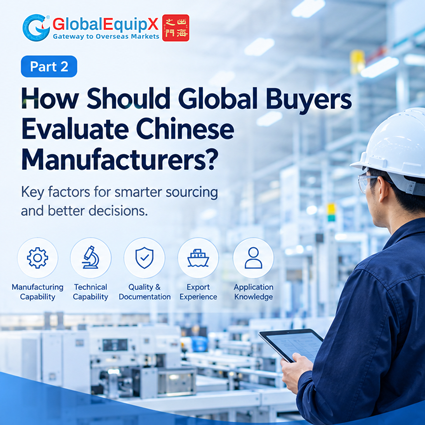 How Should Global Buyers Evaluate Chinese Manufacturers?
2026-09-11
2026-09-09
2026-09-02
2026-08-28
2026-07-13
2026-04-29

 Current Affairs

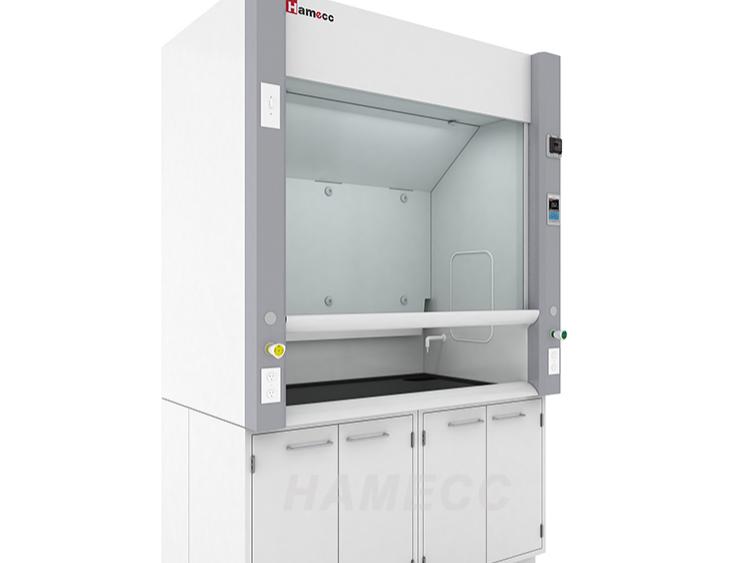
Working with acids, organic solvents, toxic reagents, or volatile chemicals always carries one unavo...
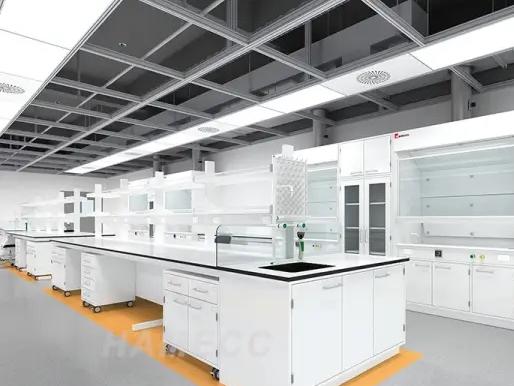
Laboratories are the backbone of scientific innovation, and their functionality depends entirely on...
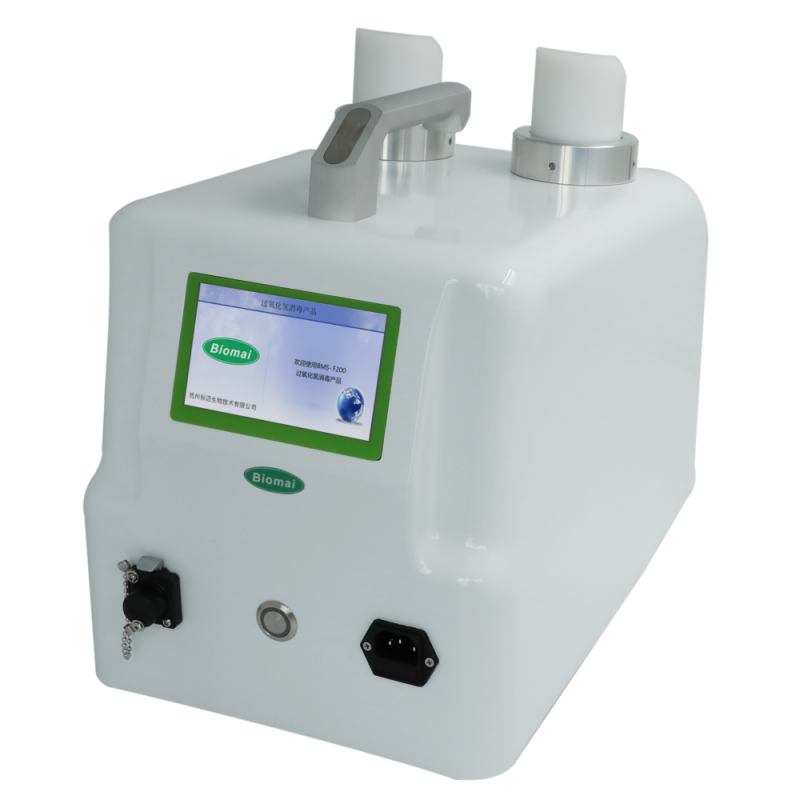
BMS-F200 Aerosolized Hydrogen Peroxide Disinfection Machine: Frequently Asked Questions When evalu...
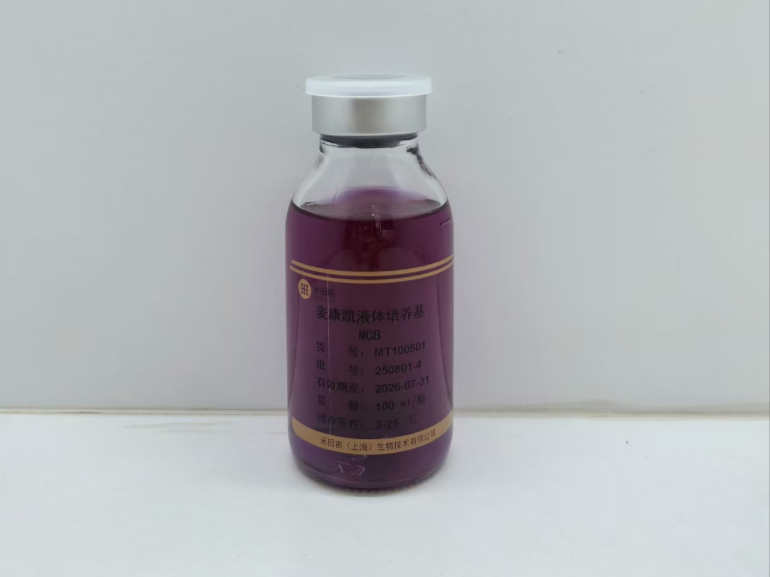
MacConkey Broth Medium: The Gold Standard for E. Coli Cultivation In the stringent world of pharm...

The International Buyer's Guide to Meeting GlobalEquipX at CPHI Milan 2026 A practical guide for ph...
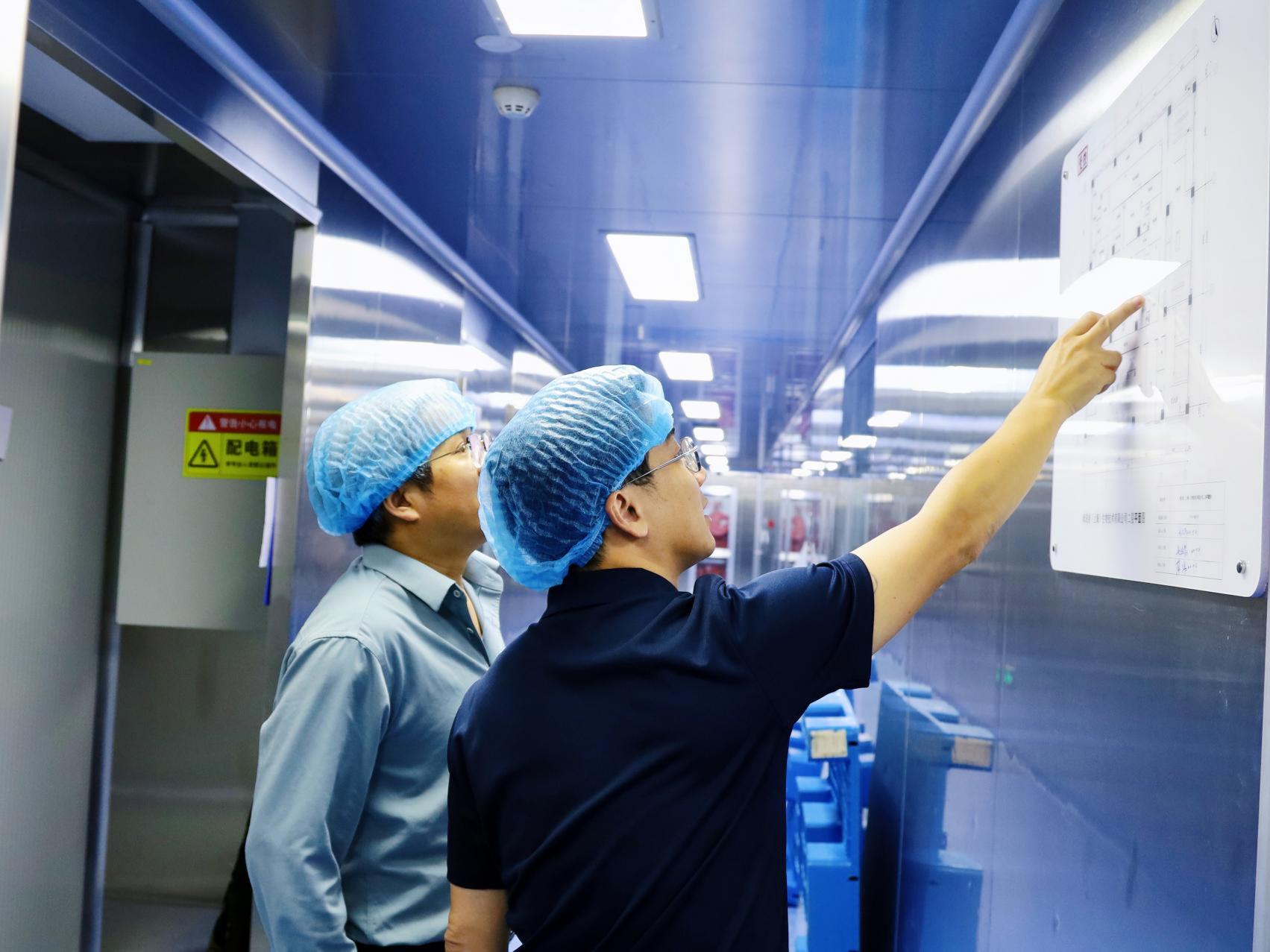
GlobalEquipX Visits MEDIUM Shanghai Facility: A Deep Dive into GMP Culture Media Manufacturing and S...
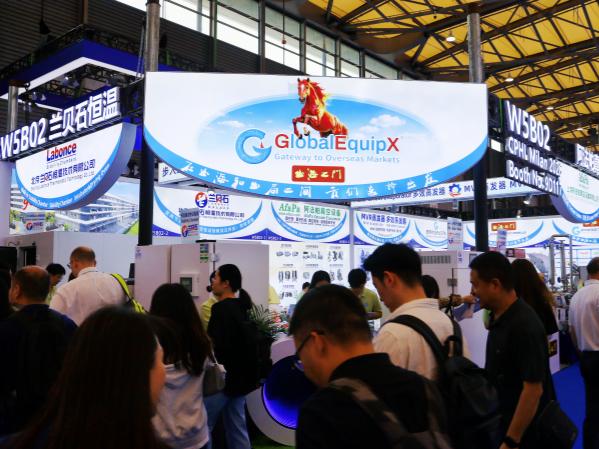
The CPHI & PMEC China 2026, held from June 16–18, 2026 in Shanghai, concluded successfully and once...
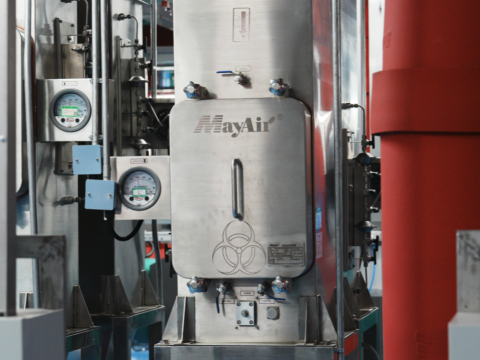
Customer Case Study Industrial painting operations across automotive, construction machinery and c...
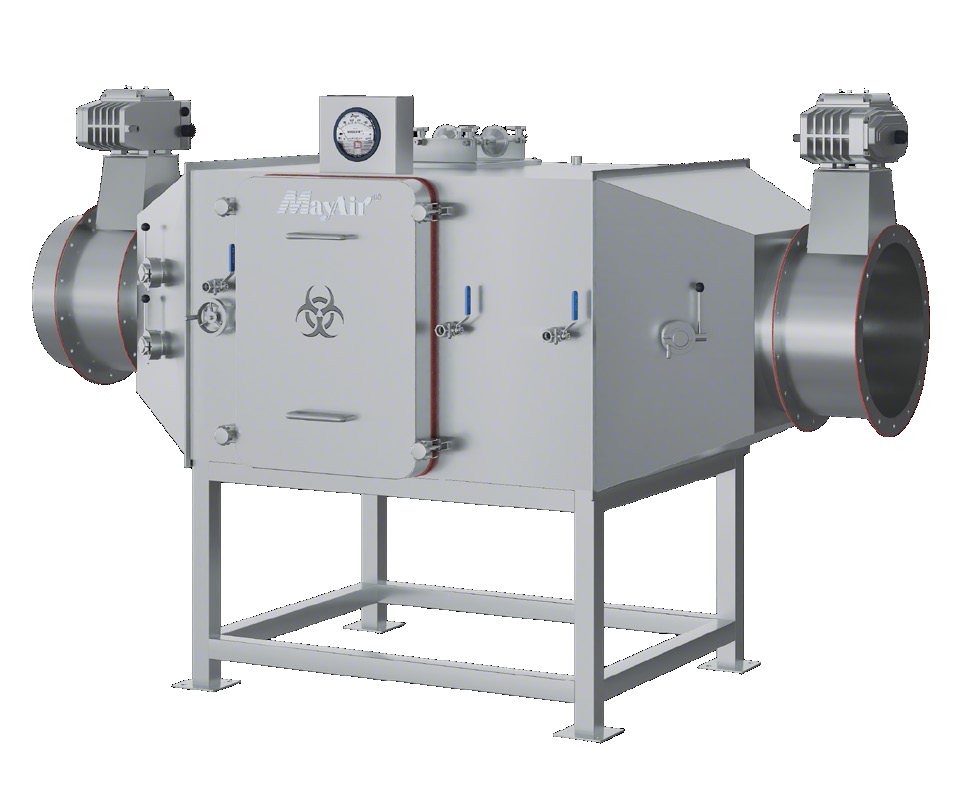
Every step in a high-level biosafety lab carries pathogen leakage risk. The Bag-in Bag-out (BIBO) c...
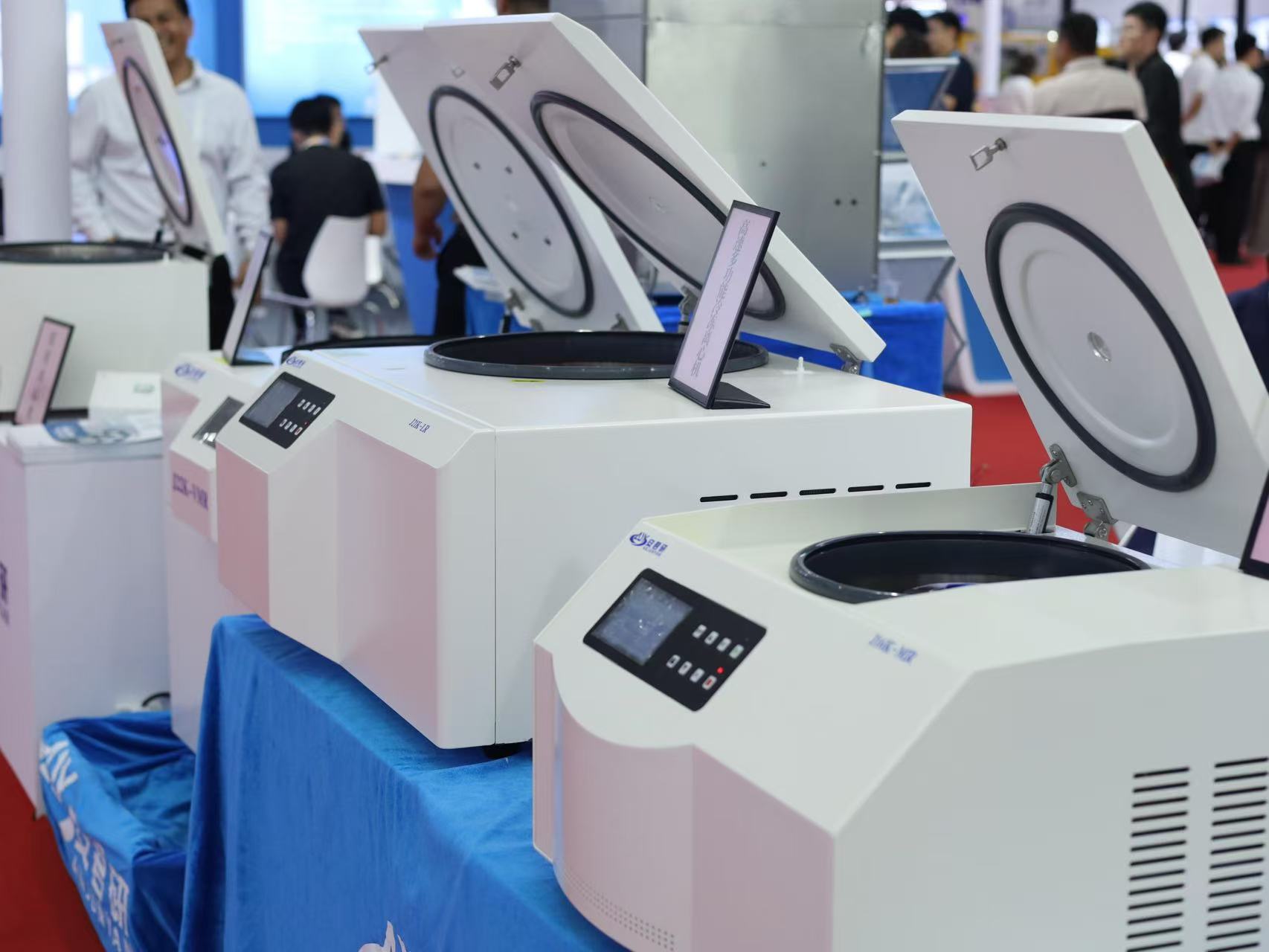
What Is a High-Speed Centrifuge? A high-speed centrifuge is a laboratory instrument designed to...
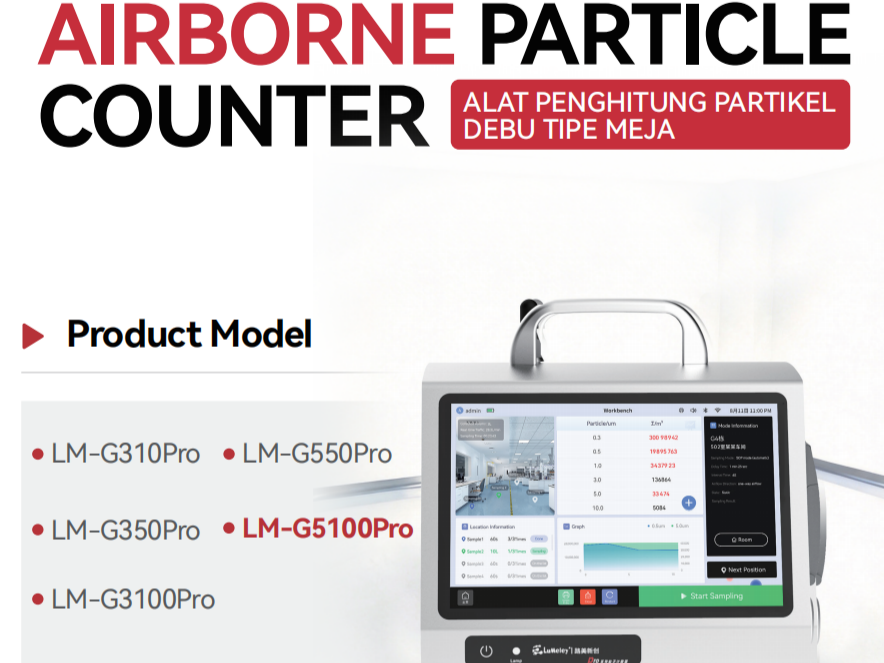
In the quality management system for sterile pharmaceutical manufacturing, cleanroom environmental c...
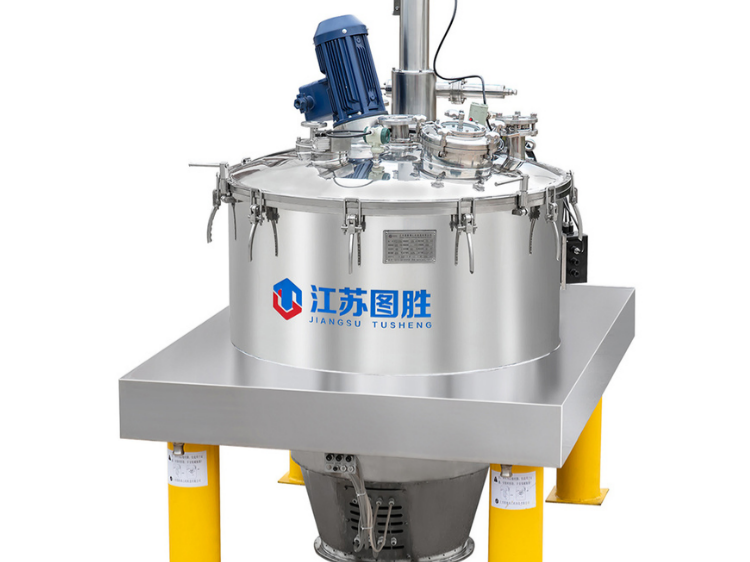
Filter Cake Stuck in Your Centrifuge? How PGD Bag-Shaking Bottom Discharge Scraper Centrifuges Elimi...
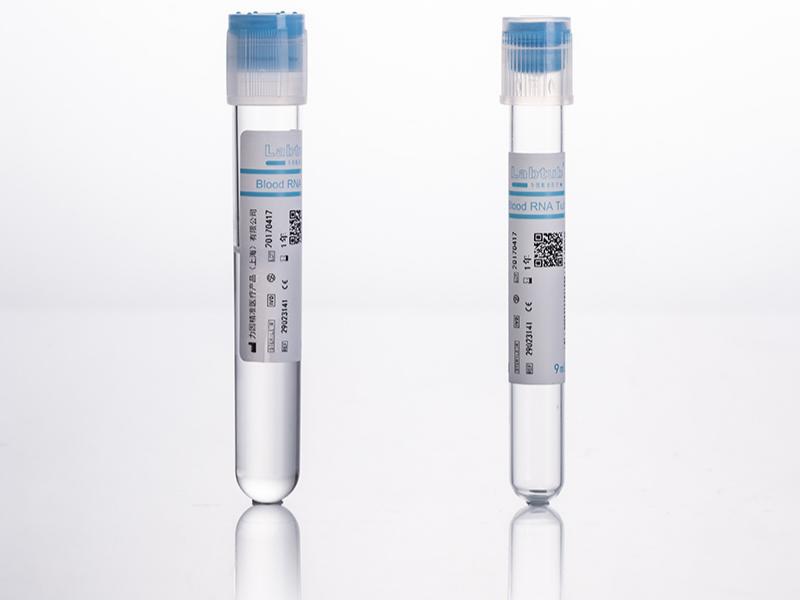
Blood RNA Degradation During Transport? How Labtub® Blood RNA Tubes Improve RNA Stability, Traceab...
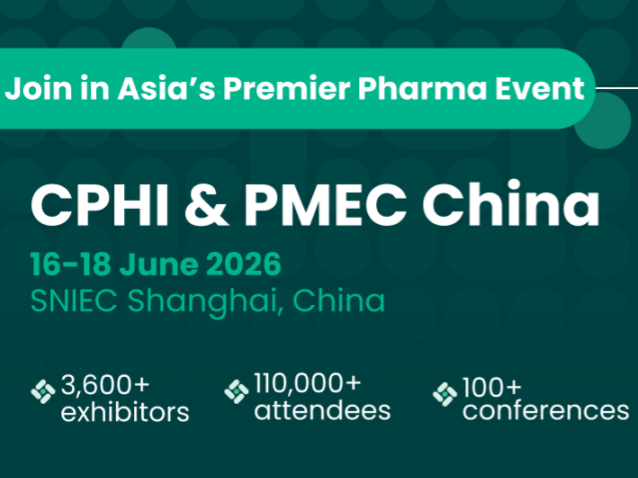
As one of the most influential pharmaceutical industry events in Asia, CPHI & PMEC China 2026 will t...
Our hours


Public Account



 IPv6 network supported