EN
EN RU
RU

 Industry News
 How Should Global Buyers Evaluate Chinese Manufacturers?
2026-09-11
2026-09-09
2026-09-02
2026-08-28
2026-07-13
2026-04-29

 Current Affairs
Laboratory Glassware Washer: A Standardized Solution for Reliable Laboratory Cleaning
In laboratories, medical testing facilities, and analytical research environments, glassware cleaning is one of the most fundamental yet critical processes. Beakers, test tubes, volumetric flasks, pipettes, centrifuge tubes, and other laboratory vessels are repeatedly used, cleaned, and dried every day.
Although glassware cleaning may seem like a routine task, it directly affects experimental accuracy, data reliability, and laboratory compliance. In many laboratories, traditional manual cleaning methods still create hidden risks due to inconsistent operation, incomplete cleaning, and unstable drying conditions.
With the increasing demand for standardized laboratory management, an automatic laboratory glassware washer has become an effective solution for improving cleaning efficiency, reducing contamination risks, and establishing a more reliable laboratory workflow.

For many laboratories, manual cleaning remains a common method. Researchers often need to repeatedly brush, rinse, and dry different types of glassware after experiments.
However, manual cleaning has several limitations:
Laboratory glassware comes in various shapes and sizes, including:
Different vessels require different cleaning methods. When relying on manual washing, researchers need to spend significant time handling repetitive cleaning tasks, which reduces overall laboratory productivity.
For laboratories with large numbers of samples and frequent experiments, manual cleaning can become a considerable workload.
Manual cleaning quality is often affected by human factors.
Differences in brushing strength, rinsing time, and operating habits may lead to inconsistent results. Some potential problems include:
Although some residues cannot be observed visually, trace amounts of chemicals or impurities may still remain on the inner surface of glassware.
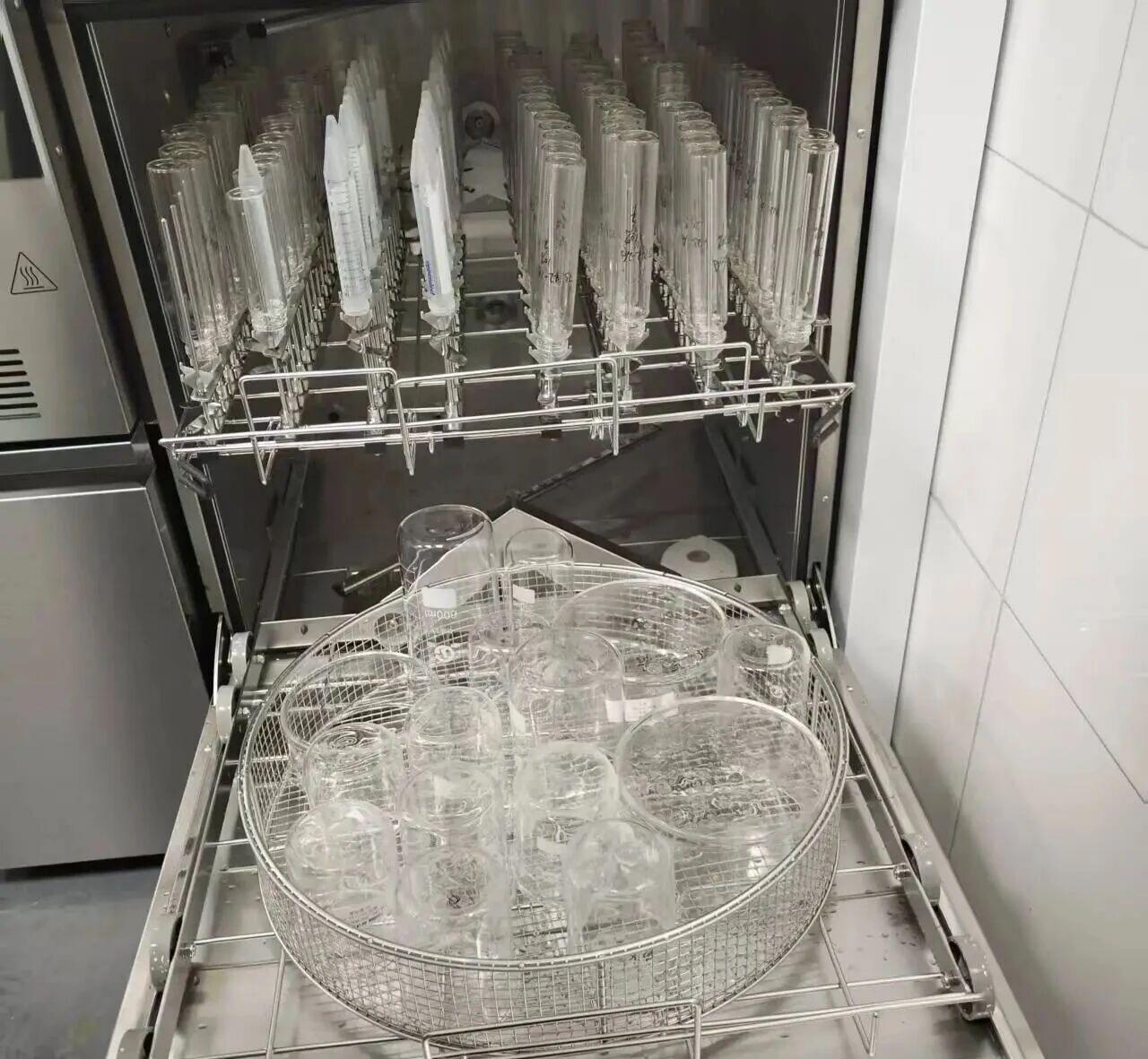
Laboratory experiments require high consistency and reliability. Residual substances from previous experiments may influence subsequent testing results.
Possible consequences include:
Therefore, laboratory glassware cleaning is not only a cleaning issue but also an important part of experimental quality control.
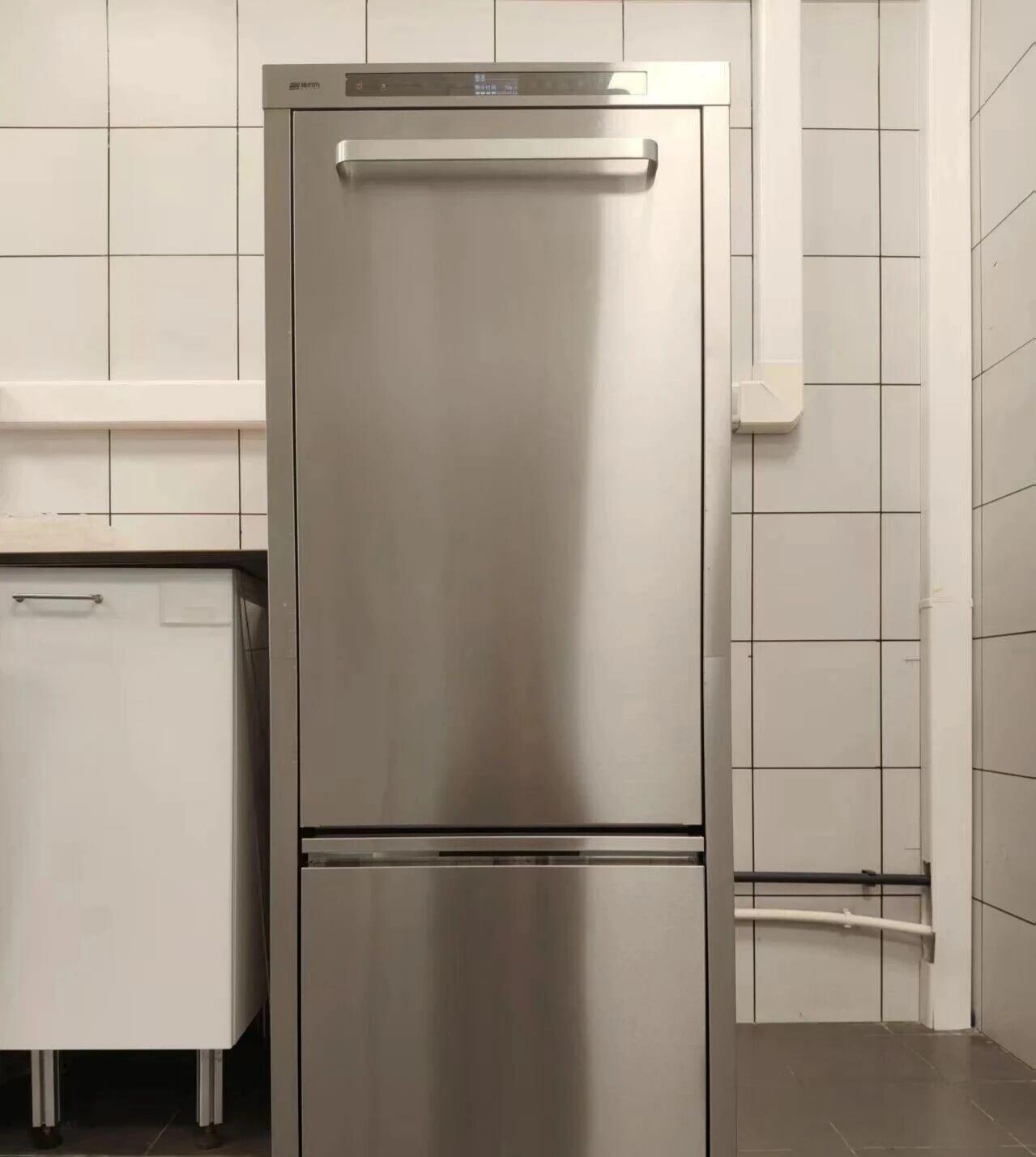
To address common challenges in laboratory glassware cleaning, the STIER C3000 Laboratory Glassware Washer provides an automated cleaning solution integrating washing, rinsing, and drying functions.
Instead of depending on manual operation, the automatic washer uses a standardized cleaning process to help laboratories achieve more consistent and efficient glassware treatment.
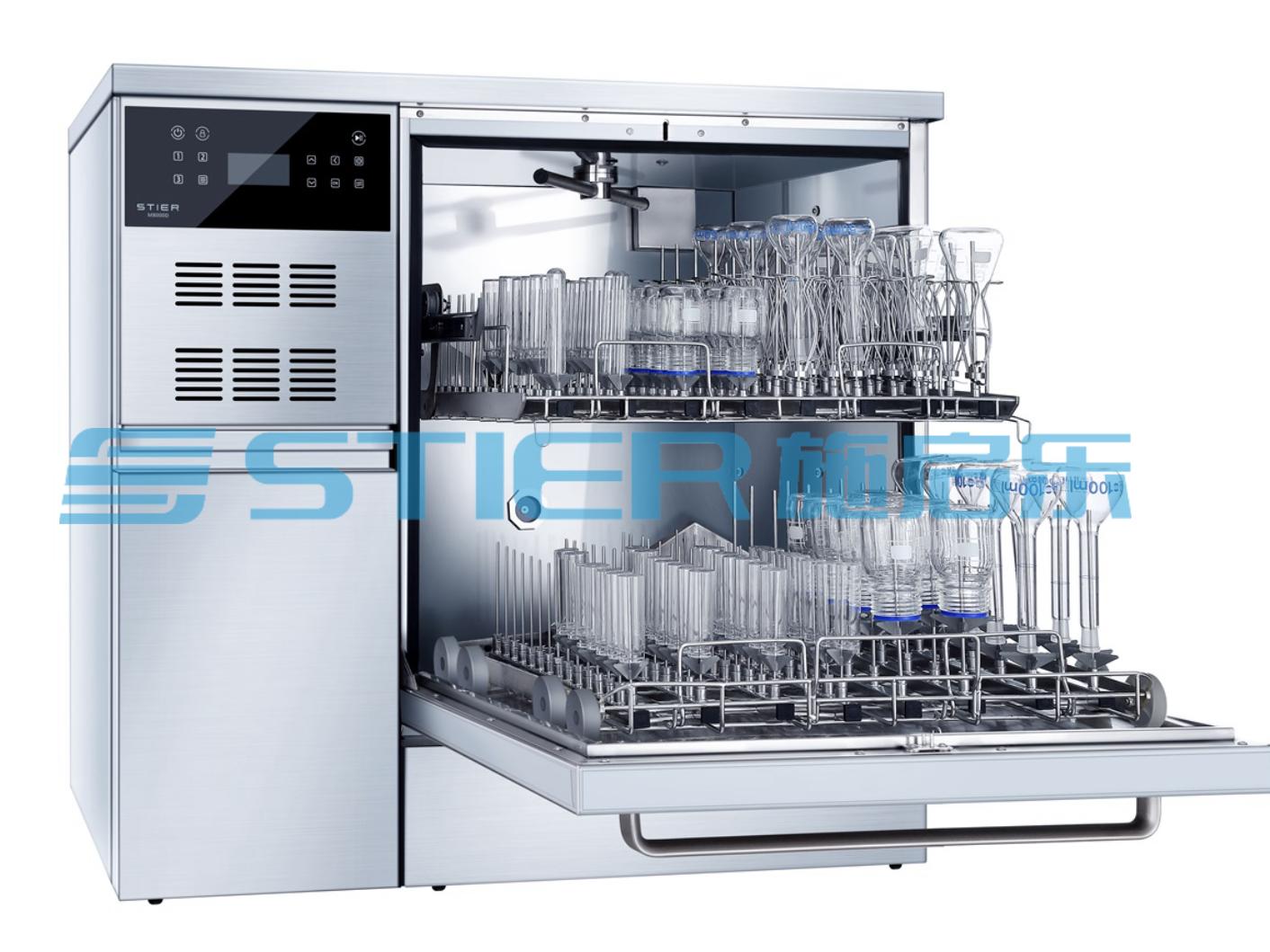
The equipment is designed for laboratories requiring reliable cleaning performance and supports a wide range of laboratory vessels, helping create a cleaner and more controlled experimental environment.
The STIER C3000 adopts a high-pressure spray cleaning method to provide multi-angle washing performance.
It can clean various laboratory vessels, including:
The spray cleaning structure helps improve contact between cleaning water and vessel surfaces, supporting more thorough cleaning.
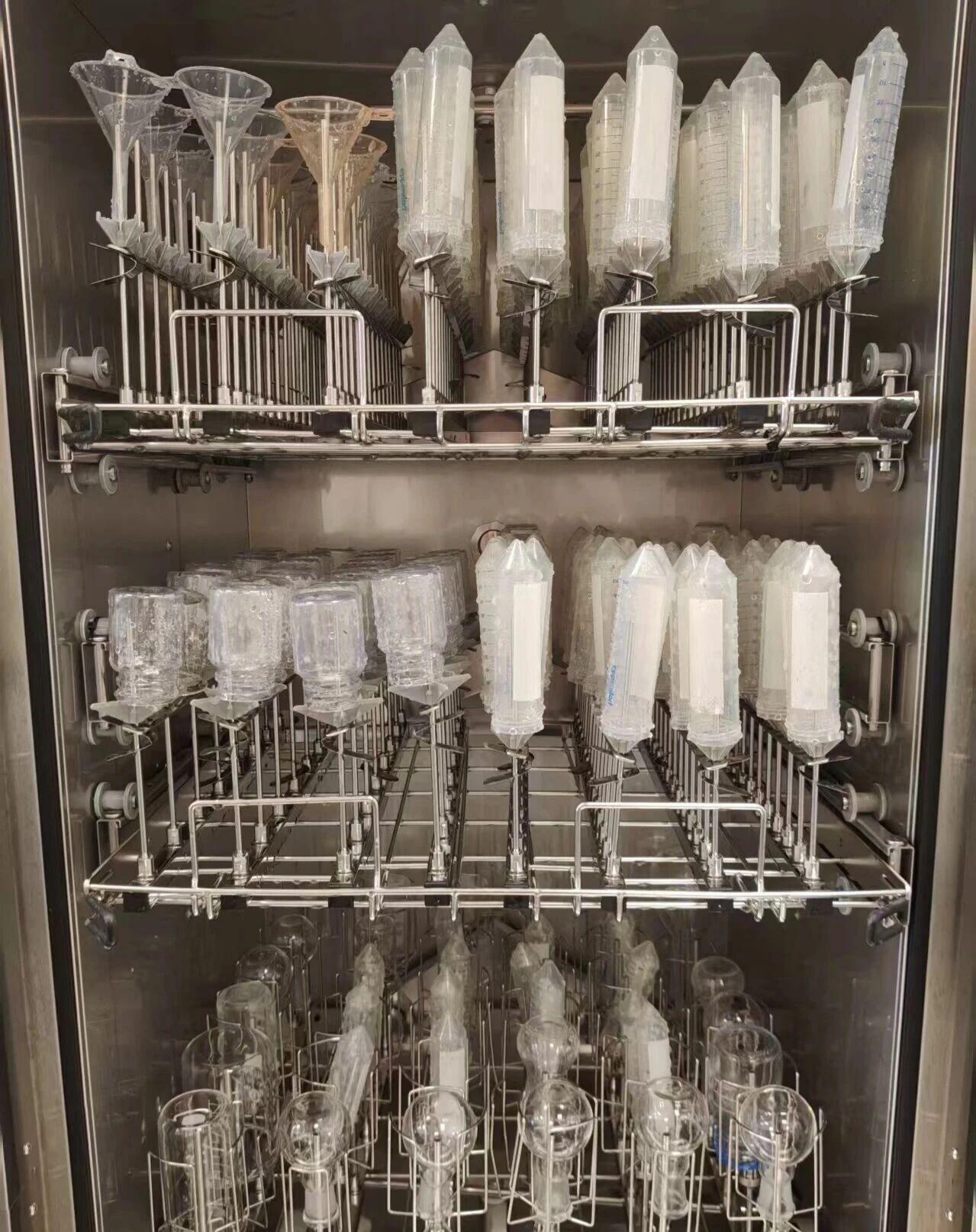
Different laboratories use different types of glassware. The STIER C3000 features layered customizable cleaning racks that allow flexible arrangement according to vessel size and shape.
Benefits include:
This design helps laboratories handle diverse cleaning requirements more efficiently.
The automatic cleaning system combines multiple steps into one workflow:
After the cleaning program is completed, glassware can be directly dried, reducing secondary contamination caused by manual handling or long exposure during natural drying.
The STIER C3000 uses a 304 stainless steel body, offering:
This makes it suitable for complex laboratory environments where chemical exposure and frequent operation are common.
Different experiments may produce different types of contamination. The STIER C3000 provides multiple customizable cleaning programs to meet various cleaning requirements.
Laboratories can select suitable cleaning procedures according to:
This flexibility allows the equipment to adapt to different laboratory applications.
A standardized installation process helps ensure stable operation and cleaning performance.
During operation, laboratory glassware is placed into customized racks according to vessel type and size. After selecting the appropriate cleaning program, the equipment automatically completes the cleaning process.
Modern laboratories require not only advanced analytical instruments but also reliable supporting processes. Clean laboratory glassware is an important foundation for accurate experiments.
Manual cleaning methods may introduce uncertainty due to differences in operation and environmental conditions. Automated glassware washing technology provides a more standardized approach by improving:
The STIER C3000 automatic laboratory glassware washer helps laboratories reduce the limitations of traditional cleaning methods and establish a more efficient and controlled cleaning workflow.
Accurate experiments begin with clean laboratory glassware.
As laboratories continue to pursue higher efficiency and stronger quality control, automated glassware cleaning solutions are becoming increasingly important. Through high-pressure spray cleaning, customizable racks, integrated washing and drying programs, corrosion-resistant construction, and flexible cleaning settings, the STIER C3000 provides laboratories with a practical solution for improving cleaning standardization.
For laboratories seeking to optimize glassware cleaning processes, reduce manual workload, and improve experimental reliability, an automatic laboratory glassware washer can become an important part of modern laboratory infrastructure.
Our hours


Public Account



 IPv6 network supported