EN
EN RU
RU

 Industry News
 How Should Global Buyers Evaluate Chinese Manufacturers?
2026-09-11
2026-09-09
2026-09-02
2026-08-28
2026-07-13
2026-04-29
 Current Affairs
LLW Horizontal Screen Worm Centrifuges: Frequently Asked Questions for Industrial Buyers
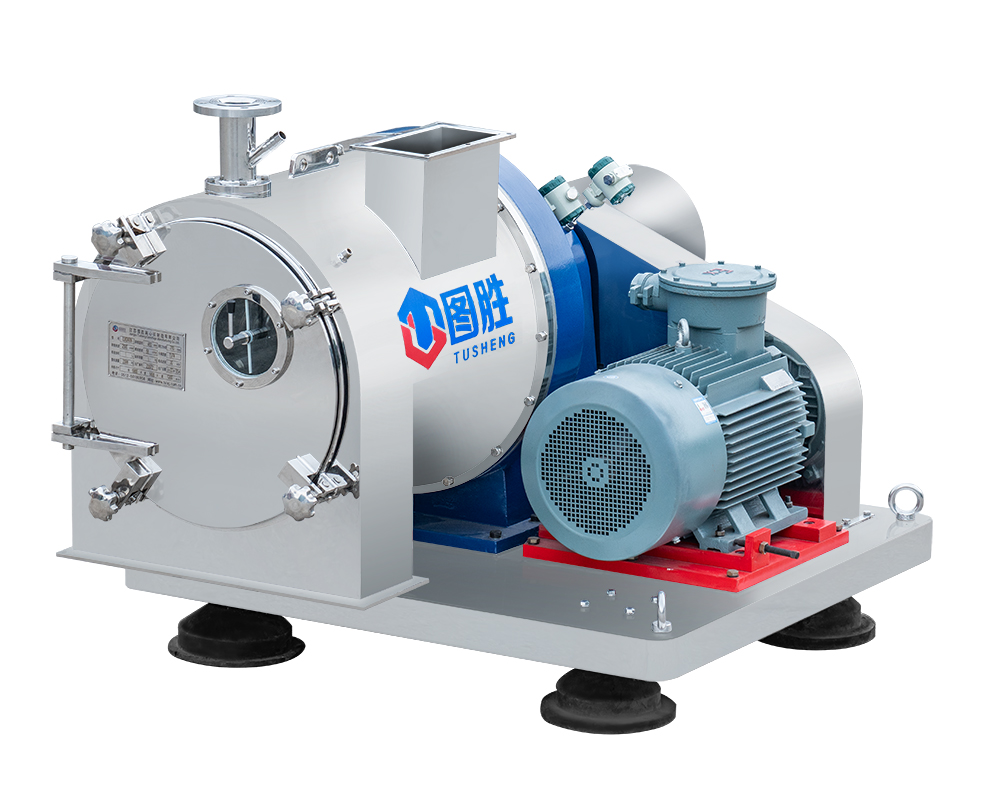
Continuous solid-liquid separation is a core process in chemical, pharmaceutical, food processing and mining production. Horizontal screen worm centrifuges are widely adopted across these sectors for their high throughput, low energy consumption and stable automated operation. For procurement engineers, plant managers and technical operators, questions often arise around how these machines work, which materials they handle, and how to match the right configuration to production needs. This FAQ guide explains all key details of the LLW series conveyor discharge screen centrifuge strictly based on official product specifications, to support your evaluation and selection process.
Frequently Asked Questions
Q1: What is an LLW horizontal screen worm centrifuge, and how does it work?
The LLW series is a continuous-feed, conveyor-discharge screen centrifuge designed for industrial solid-liquid separation, cake dewatering and on-stream washing. It is characterized by low energy consumption, stable running performance and high separation efficiency, with a fully automated workflow from feeding to final discharge.
Its complete operating principle follows these sequential steps:
The unit is also fitted with an integrated washing pipe for in-process cake washing; the thin cake layer delivers efficient washing results with low wash liquid consumption. Optionally, a steam pipe can be installed on the back of the basket to dissolve and clean crystallized materials at high temperature.
Q2: What are the core technical features of LLW screen centrifuges?
LLW series centrifuges are built for heavy-duty industrial operation, with the following key design advantages:
Q3: What industries and materials are LLW centrifuges suitable for?
LLW horizontal screen worm centrifuges have broad application across chemical, pharmaceutical, food, mining and polymer industries. They perform best for dewatering crystalline, granular and short-fiber materials.
Typical verified applications include:
Q4: 10° vs 20° basket angle: which one should I choose?
Basket angle directly affects solid residence time, conveying resistance and washing effect. The two standard angles are engineered for different process priorities:
Q5: How do I select the right LLW centrifuge model for my production?
Model selection should be driven by your required processing capacity, material properties and on-site installation conditions. The LLW series includes 7 standard models covering a wide capacity range:
| Model | Basket Diameter (mm) | Capacity Range (m³/h) | Main Motor Power (kW) |
|---|---|---|---|
| LLW320 | 320 | 0.5–3 | 7.5 |
| LLW350 | 350 | 1–5 | 11 |
| LLW450 | 450 | 2–8 | 22 |
| LLW530 | 530 | 3–10 | 30 |
| LLW630 | 630 | 5–15 | 45 |
| LLW800 | 800 | 8–20 | 55 |
| LLW1000 | 1000 | 10–50 | 75 |
Core selection principles:
Q6: What custom configuration options are available?
The LLW series supports flexible customization to fit specific process requirements:
Summary
LLW horizontal screen worm centrifuges provide a reliable, energy-efficient solution for continuous industrial solid-liquid separation, with flexible configurations, wide material compatibility and fully automated operation. By clarifying your capacity requirement, material properties and washing needs, you can select the optimal model and configuration to improve production efficiency and reduce long-term operating costs.
For a more targeted sizing recommendation based on your specific material and process parameters, contact our technical team for a customized separation solution.
Disclaimer
The technical parameters, performance descriptions and application cases provided in this article are for general reference only. Actual product performance and separation results may vary due to specific feed material properties, inlet concentration, operating conditions and custom configurations. For detailed product specifications and project-specific solutions, please consult our professional technical personnel.
Our hours


Public Account



 IPv6 network supported