EN
EN RU
RU

 Industry News
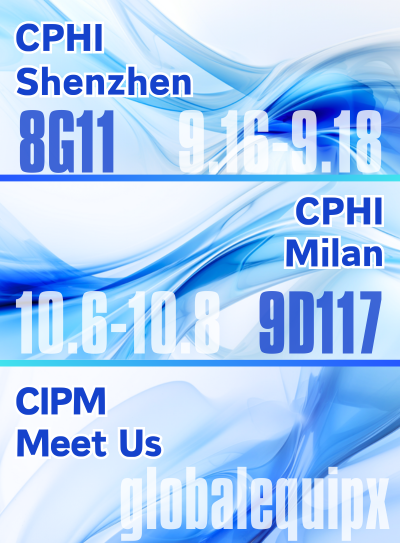
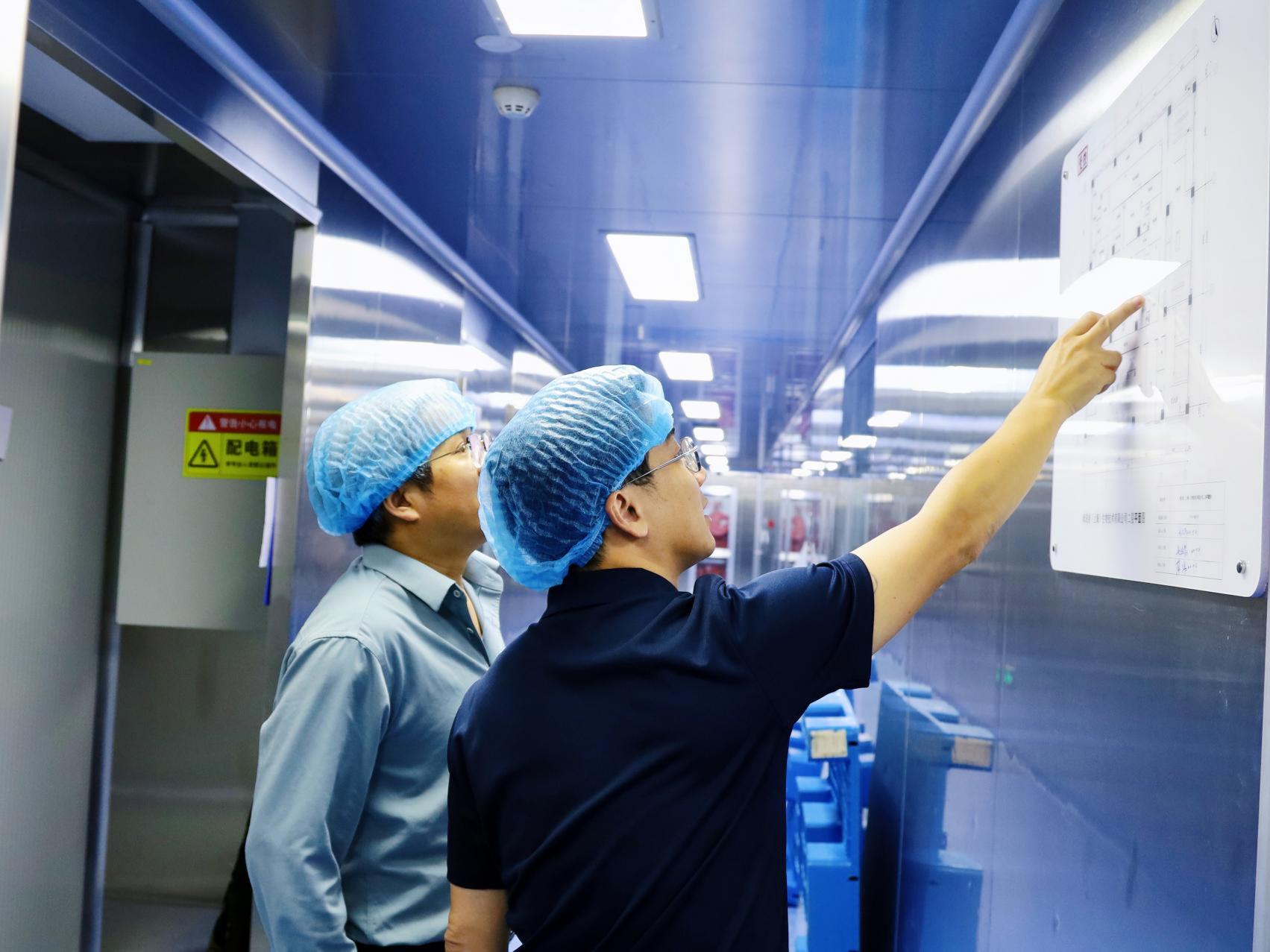
 CPHI & PMEC Shenzhen 2026 Successfully Concludes: Connecting, Collaborating and Moving Forward
2026-09-20
2026-09-16
2026-09-11
2026-09-09
2026-09-02
2026-08-28

 Current Affairs
Geopolitical Risks Heighten Supply Security Concerns
The Middle East, as a major producer of energy and certain critical chemical feedstocks such as methanol and bromine, has experienced instability affecting upstream costs and logistics routes (e.g., the Strait of Hormuz). This has intensified concerns over potential disruptions in pharmaceutical and API supplies, accelerating adjustments in supply chain strategies.
U.S., EU, and Japan Advancing “Localization” and Controllable Supply Chains
India Promoting Local Manufacturing and Market Diversification
India continues to implement its Production Linked Incentive (PLI)scheme to boost domestic production of key APIs and intermediates. It is also exploring the expansion of its pharmaceutical export promotion programs to markets such as Egypt and Jordan, aiming to enhance upstream self sufficiency while diversifying demand channels.
The global API supply chain is shifting from a model centered heavily on cost efficiency toward one placing greater emphasis on security and resilience through multi polar layouts. Policies across regions share the common goals of reducing single point dependency, fostering regional capacity, and building strategic reserves. However, substantial structural transformation remains a gradual process due to constraints related to cost structures, industrial ecosystems, and technical barriers.
Information Sources
1.Two months into Iran war, IRC operational costs spike by up to 50% as fuel prices rise and aid routes collapse (May 6, 2026)
2.Mideast war threatens Africa's supply of humanitarian medicine (May 8, 2026)
3.Could Trump's New Drug Tariffs Shift Pharma Supply Chain Strategy? (Apr 3, 2026)
4.Drug Manufacturing Deals Surge in Europe Despite U.S. Pharma Tariffs, with Germany Leading as Key Hub (Apr 24, 2026)
5.Addressing the Challenges of Pharmaceutical Distribution in International Markets: Turning Distribution Challenges into Strategic Dominance (Aug 28, 2025)
6.The Great Recalibration: Navigating the Shift to Non-China API Sources in 2026 (Jan 30, 2026)
Disclaimer
This article is for industry information exchange and reference only. It does not constitute any investment advice, medical advice, or business decision-making basis. The data and views presented herein are derived from publicly available authoritative sources, but we make no express or implied warranties regarding their accuracy, completeness, or timeliness. Any decisions made by readers based on this information are at their own risk.
Our hours

Public Account



 IPv6 network supported