EN
EN RU
RU

 Industry News
 How Should Global Buyers Evaluate Chinese Manufacturers?
2026-09-11
2026-09-09
2026-09-02
2026-08-28
2026-07-13
2026-04-29

 Current Affairs
1. What Is a Single Channel Magnetic Stirrer?
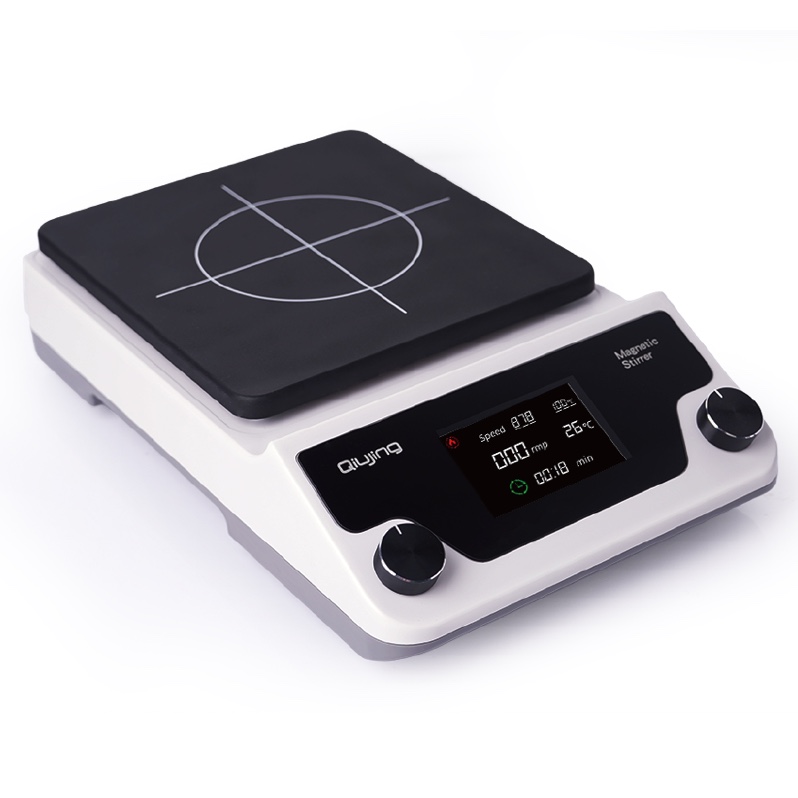
A single channel magnetic stirrer is a small laboratory device used to mix liquids evenly and continuously. It operates by spinning a magnetic stir bar inside a container, which creates a vortex and blends the solution without direct contact between the instrument and the liquid.
For many beginners, the device looks simple on the outside, but its internal structure and engineering are designed for stability, precision, and long-term durability.
2. How Does It Work?
A magnetic stirrer contains two key components:
When the motor spins, the magnetic field rotates synchronously, driving the stir bar inside the flask or beaker.
In high-quality models, the motor is engineered for low noise, maintenance-free operation, and smooth performance, making it suitable for long experimental runs.
The rotor in this type of instrument uses strong magnetic, high-temperature-resistant magnetic steel. This ensures two major benefits:
3. What Are the Structural Advantages of a Single Channel Magnetic Stirrer?
Better instruments are designed not only for performance, but also for durability and chemical resistance.
For example, the upper and lower shells of the device may be integrated die-cast aluminum, providing strong mechanical stability.
To protect the surface from chemical corrosion and scratches, many manufacturers use ceramic spraying technology, giving the housing an extra layer of resistance against acids, bases, and solvents. This is especially useful for routine work in analytical labs and teaching labs.
4. When Should You Use a Single Channel Magnetic Stirrer Instead of Other Mixing Tools?
A magnetic stirrer is ideal when you need:
Users often search for guidance such as “what is a single channel magnetic stirrer” or “single channel magnetic stirrer how it works”, indicating common early-stage learning needs.
Compared with overhead stirrers, magnetic stirrers are preferred for low-viscosity solutions, buffer preparation, routine sample dissolution, and heating-optional mixing (depending on the model).
5. How Do You Choose the Right Model?
Beginners often struggle with selection. Here are the most important decision factors:
Motor & Drive System
Choose a model with a DC brushless motor for stable speed control and long service life.
Surface Material
Select a unit with die-cast aluminum housing and ceramic coating if you require corrosion resistance.
Stirring Capacity
Check maximum volume and RPM range.
For most single-channel devices, 10–2000 mL is typical.
Consider User Search Questions
Common comparison-based queries include:
Such questions show that users want not only technical specs but also usage scenarios and decision guidance.
6. What Problems Can Occur and How Do You Fix Them?
Even if you’re a beginner, most issues are easy to identify:
Stir Bar Jumping or Skipping
Likely caused by:
High-quality devices avoid this through high-temperature-resistant magnetic steel and strong magnetic torque.
Noise or Unstable Rotation
Usually linked to brushed motors.
A brushless motor design eliminates this issue.
Poor Mixing
Could be caused by an oversized container or incorrect stir bar length.
Try changing to a larger, PTFE-coated bar.
To help users, many search queries such as “Single Channel Magnetic Stirrer: Troubleshooting Guide” show that troubleshooting guides are highly in demand.
7. Where Can You Buy a Single Channel Magnetic Stirrer?
Users in the decision phase often type queries like:
These searches indicate that visitors are ready to compare suppliers, check specifications, or request quotations. Look for suppliers who provide:
A well-structured product page with downloadable datasheets and model comparison tables is essential for this stage.
8. Is a Single Channel Magnetic Stirrer Suitable for Beginners?
Absolutely.
It is one of the easiest pieces of equipment to learn in the lab. With an intuitive control knob or digital panel, you simply:
Maintenance is minimal thanks to the brushless motor, and cleaning requires only wiping the ceramic-coated surface.
Disclaimer: This website respects intellectual property rights. If any infringement is found, please contact this website in a timely manner for handling.
Our hours


Public Account



 IPv6 network supported