EN
EN RU
RU

 Industry News
 How Should Global Buyers Evaluate Chinese Manufacturers?
2026-09-11
2026-09-09
2026-09-02
2026-08-28
2026-07-13
2026-04-29

 Current Affairs
When optimizing commercial HVAC systems, selecting the right air handling unit (AHU) filter is critical for maintaining indoor air quality and managing energy costs. Below, we answer the most common questions facility managers and engineers have about upgrading their filtration systems.
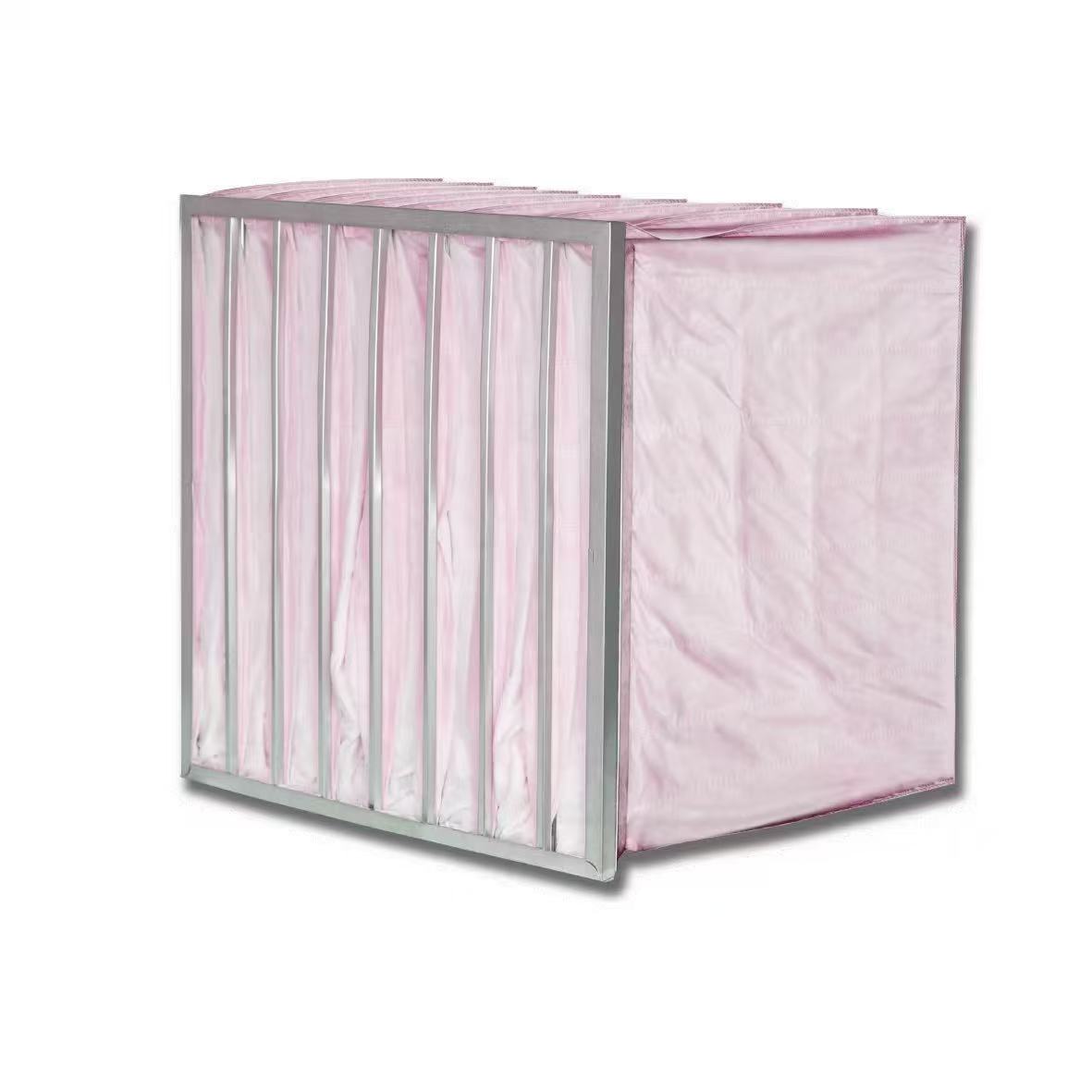
A Synthetic Fiber Pocket Filter stands out due to its combination of high-quality filter media and robust structural design.
Our M-PACK series utilizes a baffle-free, seamless pocket design that ensures completely uniform airflow. Unlike traditional rigid filters, the flexible synthetic pockets inflate fully to capture particles across a massive surface area (up to 6.60 $m^2$ for standard 24x24x25 inch models).
Supported by a double-layer U-Shaped aluminum alloy or galvanized iron (GI) frame, these filters offer low initial resistance and incredible durability.
This is a frequent debate among HVAC professionals. When comparing a synthetic fiber vs fiberglass pocket filter, the primary differences lie in durability and application.
Fiberglass filters feature a riveted structure and offer a remarkably long lifespan, making them excellent for specific heavy-duty industrial environments.
However, synthetic fiber filters are often preferred for standard commercial AHU systems because they boast a seamless bag structure that eliminates the risk of fiber shedding. Synthetic options are also highly resistant to acids and alkalis, providing safer handling and robust performance.
Bag filters are classified by their filtration efficiency. Our product line covers the entire spectrum from coarse to fine filtration: G3, G4, M5, M6, F7, F8, and F9. G3 and G4 are typically used as pre-filters to catch large dust particles, while F7 to F9 serve as secondary filters targeting fine particulate matter.
When sourcing your inventory, partnering with an experienced G3-F9 synthetic bag filter manufacturer guarantees that you get standardized dimensions (such as the standard 594 x 594 x 635 mm) and customizable pocket numbers ranging from 3P to 12P, ensuring a perfect fit for any commercial AHU setup.
Replacing filters frequently drives up both labor and material costs. A high dust capacity HVAC bag filter solves this problem by holding significantly more particulate matter before reaching its final pressure drop (typically 2 to 2.5 times the initial pressure drop).
By maximizing the filter area through the multi-pocket design, the filter loads evenly over time. This extended lifespan means fewer maintenance cycles and reduced overall operating costs for your facility.
Energy consumption is the hidden cost of HVAC filtration. As a filter collects dust, airflow resistance increases, forcing the AHU fan motor to work harder.
The energy-efficient M-PACK pocket filter minimizes this issue through its specialized seamless design and uniform non-woven fiber media.
By maintaining a lower pressure drop for a longer period compared to traditional filters, it significantly reduces the aerodynamic drag on the fan, translating directly into lower monthly electricity bills.
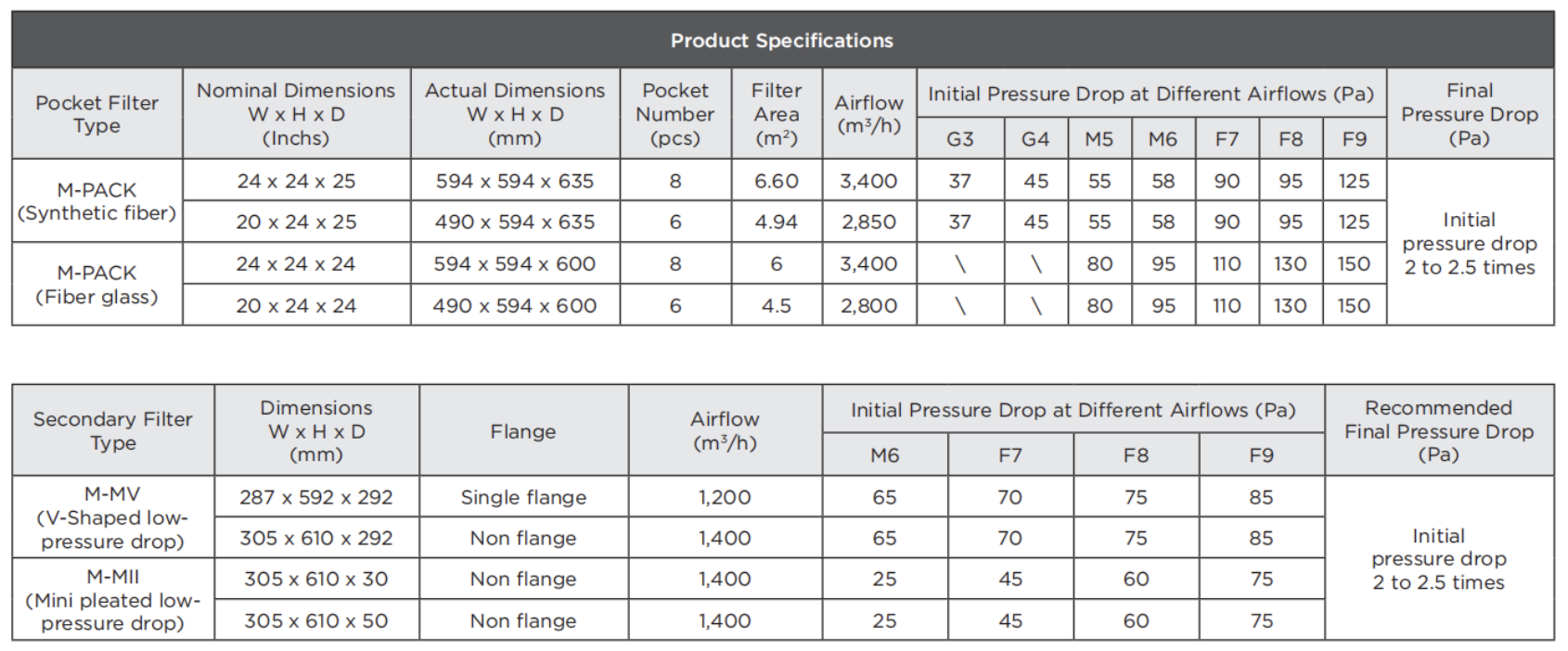
For systems demanding minimal air resistance, specialized secondary filters are the best route. Upgrading to low pressure drop AHU filters like the M-MV (V-Shaped) or M-MII (Mini-pleated) series provides exceptional performance.
The M-MV features a no-baffle design and utilizes melt-blown media specifically engineered for turbulence reduction. Furthermore, these V-shaped filters can achieve sub-high efficiency and are capable of undergoing argenzil sterilization, making them perfect for strict hygiene environments.
This article is sourced from MayAir
Our hours


Public Account



 IPv6 network supported