EN
EN RU
RU

 Industry News
 How Should Global Buyers Evaluate Chinese Manufacturers?
2026-09-11
2026-09-09
2026-09-02
2026-08-28
2026-07-13
2026-04-29

 Current Affairs
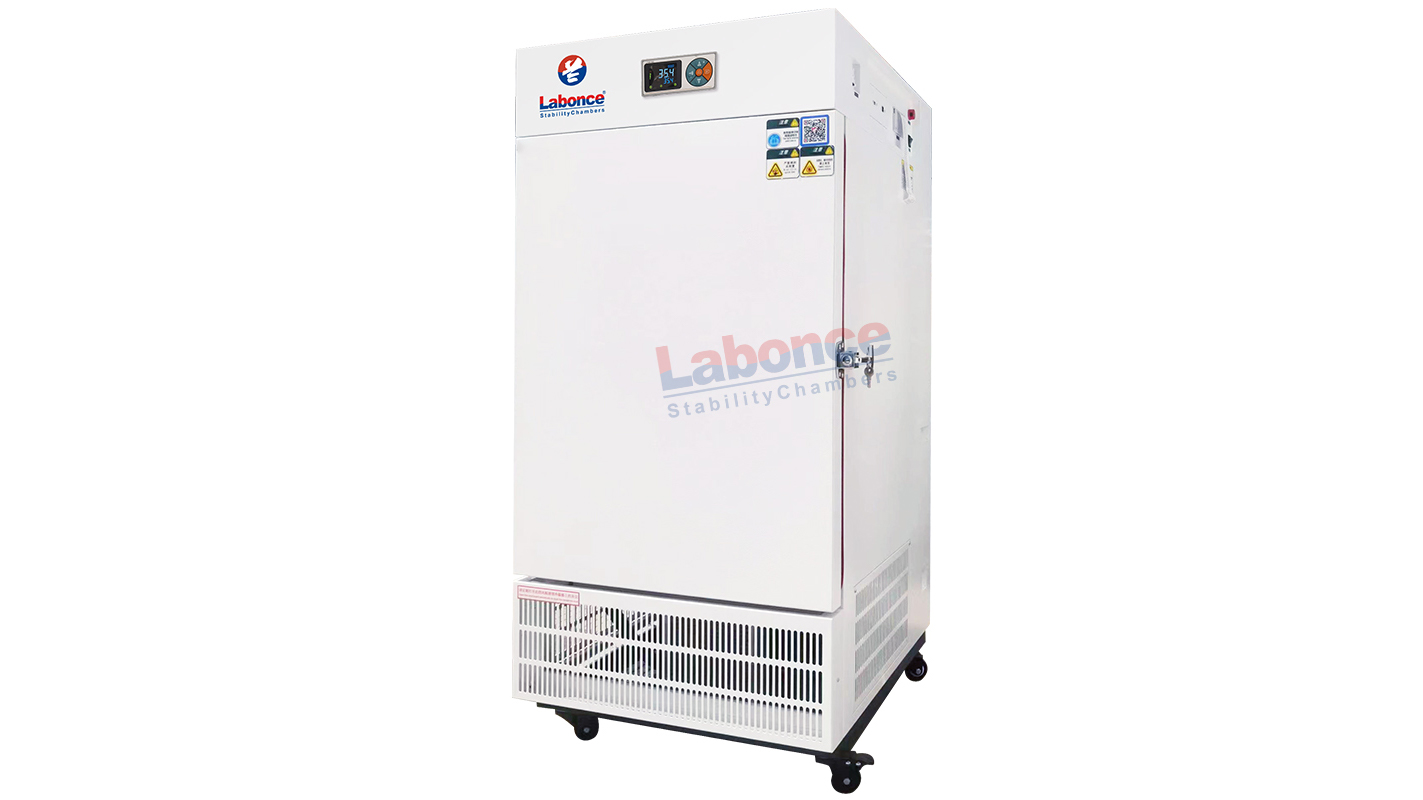
In fields such as microbial experiments, biological research, and industrial production, incubators are important equipment. Among them, biochemical incubators and mold incubators are widely used. Although both belong to cultivation equipment, they have significant differences in functions, structures, and other aspects due to different design purposes and applicable objects. Correctly distinguishing and rationally selecting them is crucial to ensuring the accuracy of experimental results and improving production efficiency. The following will detailedly analyze the differences between the two and provide targeted selection suggestions.
I.Core Differences Between Biochemical Incubators and Mold Incubators
(I) Different Core Function Orientations
The core function of a biochemical incubator is to provide a stable constant temperature environment for common microorganisms such as bacteria and yeasts, as well as cells and tissues. Some models can have both refrigeration and heating functions to meet the growth needs of different microorganisms at specific temperatures. Its design focus is on maintaining the accuracy and stability of temperature to ensure the consistency of the growth state of microorganisms during the cultivation process. It is widely used in routine biochemical experimental scenarios such as microbial counting, cell culture, and drug research and development.
A mold incubator is a special equipment designed specifically for aerobic microorganisms such as molds and fungi. In addition to the constant temperature function, its most critical feature is the ability to accurately control environmental humidity. The growth and reproduction of molds have relatively high requirements for humidity, and a suitable humidity environment is a necessary condition to ensure the normal growth of molds. Therefore, the core orientation of a mold incubator is to construct a specific constant temperature and humidity environment. It is mainly used in humidity-sensitive cultivation scenarios such as mold detection, food mold contamination analysis, and microbial fermentation.
(II) Differences in Key Structures and Performance Parameters
In terms of structural design, the core difference between the two lies in the humidity control module. A biochemical incubator is usually only equipped with a heating tube, a refrigeration system, and a temperature sensor inside. The temperature inside the incubator is adjusted through an intelligent control system. Some models may have a ventilation function, but generally do not have a special humidification device. The internal space of the incubator is mainly to meet the uniformity of the constant temperature environment, and the structure is relatively simple.
On the basis of the constant temperature structure, a mold incubator is additionally equipped with a humidification system and a humidity sensor. Common humidification methods include ultrasonic humidification and steam humidification. Combined with the humidity control system, the humidity inside the incubator can be maintained within a relatively high and stable range. At the same time, to adapt to the aerobic environment required for mold growth, the ventilation system of the mold incubator is more well-designed, which can realize the orderly circulation of air inside the incubator, not only ensuring the supply of oxygen but also maintaining the uniformity of temperature and humidity, and avoiding the impact of local environmental differences on the cultivation effect.
In terms of the focus of performance parameters, the core parameters of a biochemical incubator are the temperature control range and accuracy, and there are no mandatory requirements for humidity parameters; while a mold incubator needs to pay attention to the control range and accuracy of both temperature and humidity, and the stability of both parameters directly affects the cultivation results.
(III) Differences in Applicable Objects and Application Scenarios
The applicable objects of a biochemical incubator include various microorganisms and biological samples that do not require a high-humidity environment, including bacteria such as Escherichia coli and Lactobacillus, yeasts, as well as animal cells and plant tissues. The corresponding application scenarios are extensive, involving medical clinical testing, microbiological research, food hygiene testing, water quality analysis, drug screening and other fields. It is a basic general-purpose equipment in the laboratory.
The applicable objects of a mold incubator are mainly various molds and fungi, such as Penicillium and Aspergillus, and it is also suitable for the cultivation of other microorganisms with specific humidity requirements. Its application scenarios are relatively focused, mainly including mold contamination detection in the food industry, mold safety assessment of cosmetics, isolation and cultivation of molds in environmental microorganisms, research on mold diseases in the agricultural field, and mold resistance testing of related products.
II.Selection Suggestions for Biochemical Incubators and Mold Incubators
(I)Select Based on the Growth Needs of the Cultivated Objects
The core principle of selection is to match the growth environment needs of the cultivated objects. If the cultivated objects are bacteria, yeasts, cells, tissues, etc., which only need a stable constant temperature environment and no strict humidity control, a biochemical incubator should be preferred. Its precise temperature control ability can ensure the normal growth of the cultivated objects, and at the same time avoid the waste of equipment costs caused by redundant humidification functions.
If the cultivated objects are molds, fungi and other humidity-sensitive microorganisms, a mold incubator must be selected. Such microorganisms need a high-humidity environment during growth, and the humidification system and humidity control system of the mold incubator can accurately meet this demand to ensure the smooth progress of cultivation. If a biochemical incubator is used instead, due to the inability to provide a suitable humidity, the mold growth will be slow, the growth state will be poor, and even the cultivation cannot be completed, affecting the experimental or production results.
(II) Select in Combination with Specific Application Scenarios
In scenarios such as general laboratories, medical testing institutions, and drug research and development enterprises, if the main work involves routine biochemical experiments, cell culture, microbial counting, etc., the biochemical incubator is more versatile and practical, and can meet a variety of basic cultivation needs.
In scenarios such as food testing institutions, cosmetics production enterprises, and mold-resistant material research and development units, the core work involves mold detection, mold resistance testing, etc., and a mold incubator must be selected. For example, when food enterprises conduct mold contamination detection on products such as grain, pastries, and beverages, the mold incubator can provide a temperature and humidity environment that meets the standards, ensuring the accuracy and reliability of the detection results; in the process of mold-resistant material research and development, it is also necessary to use the mold incubator to simulate the mold growth environment and evaluate the mold resistance effect of the materials.
(III) Consider Equipment Cost-Effectiveness and Usage Costs
In terms of equipment cost, under the same configuration level, the price of a mold incubator is usually higher than that of a biochemical incubator because it is equipped with additional components such as a humidification system and a humidity control system. At the same time, the mold incubator consumes more water resources during use, and the subsequent maintenance cost is also relatively high, such as regular cleaning of the humidification device and replacement of humidification accessories.
Therefore, under the premise of meeting the cultivation needs, the equipment with higher cost-effectiveness should be selected as much as possible. If the humidity control function is not needed, a biochemical incubator should be firmly selected to avoid paying additional costs for unnecessary functions; if the humidity control is indeed required, then a mold incubator should be selected, and priority should be given to models with low energy consumption and convenient maintenance to reduce long-term usage costs.
(IV) Pay Attention to the Additional Functions and Safety of the Equipment
When selecting, it is also necessary to pay attention to the additional functions of the equipment, such as whether it has a timing function, an alarm function (temperature/humidity abnormal alarm), a data recording function, etc. The timing function can facilitate automatic cultivation and reduce manual operations; the alarm function can promptly remind of equipment failures to avoid cultivation failure caused by abnormal temperature and humidity; the data recording function is convenient for the traceability and sorting of experimental data, especially suitable for scenarios with high requirements for experimental standardization.
Safety is also an important consideration factor. Equipment with complete safety protection designs should be selected, such as over-temperature protection, overload protection, leakage protection, etc., to ensure the safety and stability of the equipment during operation and protect the safety of experimental personnel and experimental samples.
The core difference between biochemical incubators and mold incubators lies in whether they have the humidity control function, as well as the derived differences in applicable objects and application scenarios. Biochemical incubators focus on precise constant temperature and are suitable for the cultivation of microorganisms and cells that do not require high humidity; mold incubators have both constant temperature and humidity functions and are specially designed for molds and other humidity-sensitive microorganisms. When selecting, it is necessary to take the growth needs of the cultivated objects as the core, and comprehensively judge in combination with specific application scenarios, cost-effectiveness, safety and other factors, so as to select the suitable equipment and provide reliable guarantee for experimental and production work.
Our hours


Public Account



 IPv6 network supported