EN
EN RU
RU

 Industry News
 How Should Global Buyers Evaluate Chinese Manufacturers?
2026-09-11
2026-09-09
2026-09-02
2026-08-28
2026-07-13
2026-04-29

 Current Affairs
I. Equipment Definition
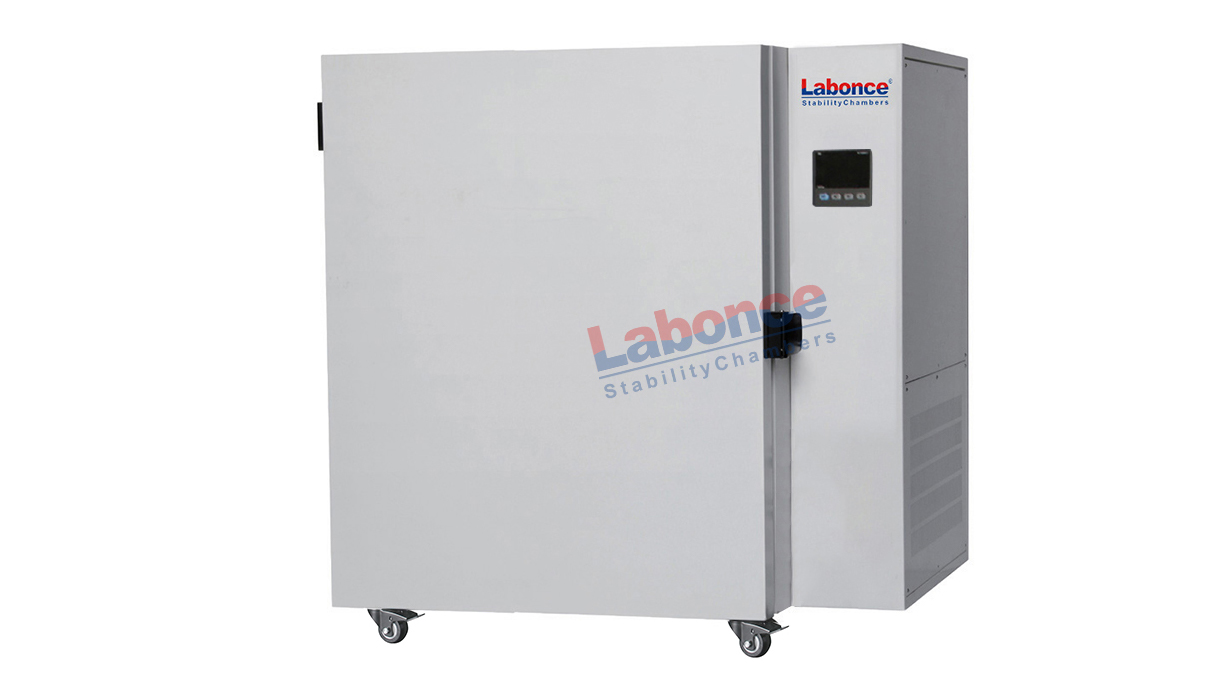
A high-temperature constant temperature test chamber is a testing device designed to simulate high-temperature and constant-temperature environments. It is widely used in product testing and R&D processes across multiple industries. Through manual regulation, it can create a stable high-temperature environment, enabling users to observe changes in product performance, wear conditions, and adaptability under such environments. This provides a basis for product quality evaluation and optimization. Its core features lie in the stability of temperature control and the authenticity of environmental simulation, which can meet the basic high-temperature testing needs of different products.
II. Working Principle
The working principle of the high-temperature constant temperature test chamber revolves around temperature elevation, stabilization, and regulation, with the core collaboration of three systems: the heating system, temperature control system, and thermal insulation system. The heating system is responsible for raising the internal temperature of the chamber to the set range, usually adopting high-efficiency heating elements to ensure a uniform and gentle temperature rise process. As the "brain" of the device, the temperature control system continuously monitors the internal temperature through sensors, automatically adjusts the heating power after comparing it with the set value, and maintains temperature stability. The thermal insulation system reduces heat loss inside the chamber, ensures uniform temperature distribution in all areas of the chamber, and avoids interference from the external environment on the test results. These three systems work together to achieve accurate simulation of high-temperature and constant-temperature environments.
III. Structural Composition
The structural design of the high-temperature constant temperature test chamber focuses on achieving a stable test environment, mainly consisting of a chamber body, heating elements, temperature sensors, a control system, and safety protection devices. The chamber body is made of materials with excellent thermal insulation performance, and its internal space can be designed in different sizes according to test requirements to ensure that test samples can fully contact the simulated environment. Heating elements are evenly distributed at appropriate positions inside the chamber to guarantee temperature uniformity during heating. Temperature sensors collect real-time temperature data and feed it back to the control system. The control system is equipped with an operation interface, facilitating users to set parameters and monitor the test process. Safety protection devices are used to handle abnormal situations such as overheating and malfunctions, ensuring the safe operation of the equipment and the integrity of test samples.
IV. Application Scenarios
The application scenarios of high-temperature constant temperature test chambers cover a wide range of fields, making them important equipment for product R&D, production testing, and quality control. In the electronic and electrical field, they can be used to test the operational stability of components, circuit boards, etc., under high-temperature environments. In the materials industry, they can test the high-temperature resistance and thermal stability of materials such as metals, plastics, and rubber. In the automotive manufacturing field, they can simulate the working conditions of vehicle parts under high-temperature conditions. Additionally, they are often used in industries such as aerospace, medical devices, and consumer goods to verify the reliability of products under high-temperature environments and eliminate potential quality hazards.
V. Usage Notes
When using a high-temperature constant temperature test chamber, standard operating procedures must be followed to ensure test results and equipment service life. Firstly, before the test, check whether all functions of the equipment are normal to ensure that the thermal insulation performance and temperature control accuracy meet the requirements. Secondly, when placing test samples, arrange them reasonably to avoid blocking sensors or heating elements, which may affect temperature uniformity. During the test, real-time monitor the operation status of the equipment; do not arbitrarily change parameters or open the chamber door to prevent safety hazards caused by the leakage of high-temperature gas. After the test, wait for the internal temperature of the chamber to naturally drop to room temperature before taking out the samples. Meanwhile, perform proper cleaning and maintenance of the equipment to extend its service life.
VI. Industrial Value
High-temperature constant temperature test chambers occupy an important position in the quality control systems of various industries. Their core value lies in providing repeatable and controllable high-temperature environment test conditions for products. Through standardized high-temperature tests, potential problems such as deformation, aging, and performance degradation of products under high-temperature environments can be detected in advance, providing data support for product design optimization and production process improvement. At the same time, they can help enterprises meet relevant industry standards and specifications, enhance product reliability and market competitiveness, ensure product stability in actual use, and provide safer products for consumers.
Our hours


Public Account



 IPv6 network supported