EN
EN RU
RU

 Industry News
 How Should Global Buyers Evaluate Chinese Manufacturers?
2026-09-11
2026-09-09
2026-09-02
2026-08-28
2026-07-13
2026-04-29

 Current Affairs
I. Equipment Definition
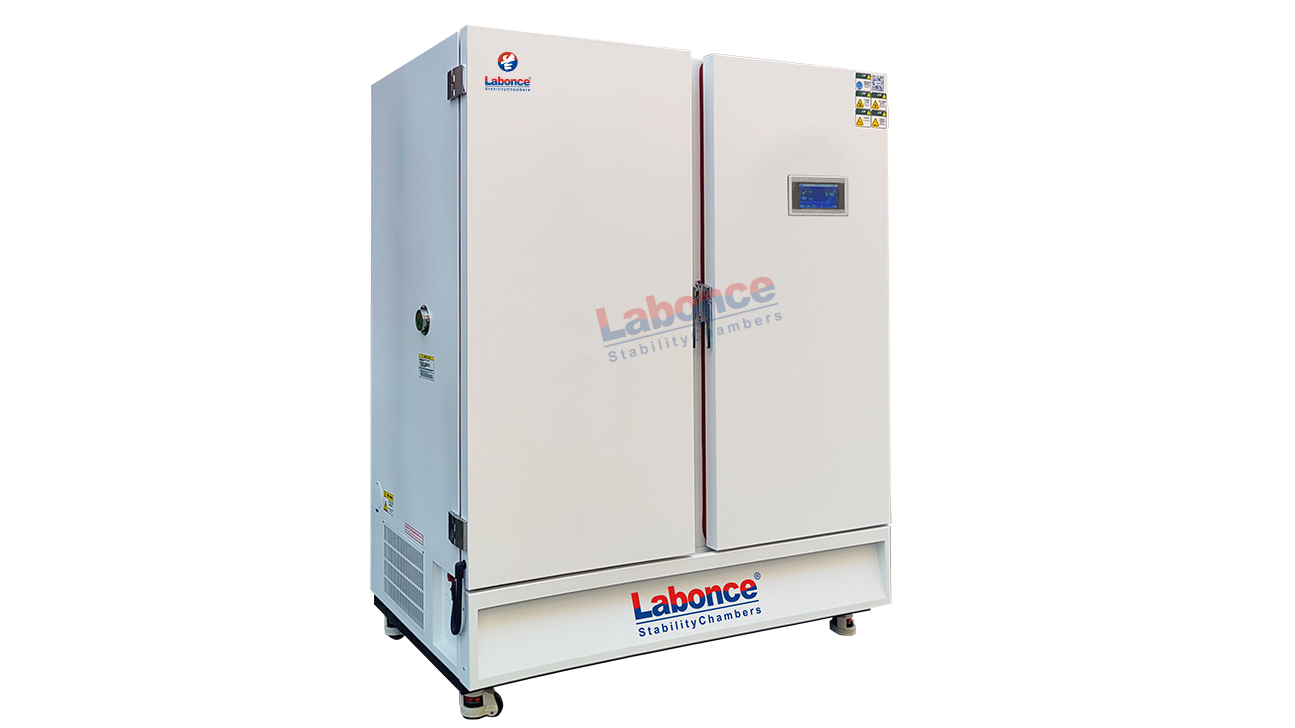
A pharmaceutical stability test chamber is a specialized device used in the pharmaceutical industry for conducting drug stability tests. Its core function is to simulate various environmental conditions and observe changes in drug performance during storage, transportation, and use. It is not an ordinary temperature and humidity control device but a specialized test carrier tailored to the particularities of drug testing and compliant with industry standards. Widely applied in drug R&D, production, and inspection, it provides basic support for drug quality control.
II. Significance of Testing
Drug stability is closely related to medication safety and efficacy. Stability testing explores the changing rules of drug quality over time by simulating various environmental factors. Through such tests, the shelf life of drugs can be determined, appropriate storage conditions can be established, and potential quality risks during drug circulation can be identified. This helps avoid changes in drug composition, reduced efficacy, or the production of harmful substances caused by environmental impacts, making it a key link in ensuring the safety of drugs throughout the entire process from production to use.
III. Working Principle
The core of a pharmaceutical stability test chamber is to accurately control and maintain the environmental parameters required for testing. Common control parameters include temperature and humidity, and some devices can also adjust parameters such as light intensity and oxygen concentration. The device uses built-in sensing devices to monitor the internal environment in real time and dynamically corrects parameters through a control system, ensuring that all parameters remain stable during the test. This provides consistent and reliable environmental conditions for drug stability testing and guarantees the scientificity of test results.
IV. Performance Requirements
Since test results are directly related to drug quality evaluation, stability test chambers must meet strict performance standards. Firstly, parameter control accuracy: they need to stably maintain set temperature, humidity, and other conditions to reduce the impact of parameter fluctuations on test results. Secondly, environmental uniformity: parameters in different areas inside the chamber must be consistent to avoid test data deviations caused by local environmental differences. In addition, the device should have reliable operational stability and data recording functions to facilitate the traceability and review of the test process, meeting the compliance requirements of the pharmaceutical industry.
V. Types of Environmental Simulation
According to drug storage requirements and test purposes, stability test chambers can simulate a variety of typical environments. Common types include normal temperature storage environments, used to simulate daily drug storage conditions; accelerated test environments, which simulate the long-term storage changes of drugs by adjusting parameters to shorten the test cycle; and humid and hot environments, used to test drug stability under high temperature and humidity conditions and identify potential quality risks caused by humid environments, adapting to the test needs of different drugs.
VI. Application Scenarios
Stability test chambers have a wide range of applications in the entire pharmaceutical chain. In the R&D stage, they can be used to screen drug formulations and optimize production processes, providing data support for drug R&D. In the production stage, they can conduct stability testing on finished products to ensure that products meet quality standards. Meanwhile, they also play an irreplaceable role in optimizing drug storage conditions and reviewing shelf life, helping pharmaceutical enterprises standardize production and ensure medication safety.
VII. Key Points for Use and Maintenance
Standard use and regular maintenance of pharmaceutical stability test chambers are prerequisites for ensuring reliable test data. Before use, equipment calibration should be completed to confirm that all parameters meet test requirements. During use, the operating status of the equipment should be checked regularly, and debris inside the chamber should be cleaned in a timely manner to avoid affecting environmental uniformity. After long-term shutdown, moisture and dust prevention measures should be taken for the equipment, and it should be started and operated regularly to maintain stable performance. At the same time, records of equipment operation and maintenance should be retained to meet the industry's compliance and traceability requirements.
Our hours


Public Account



 IPv6 network supported