EN
EN RU
RU

 Industry News
 How Should Global Buyers Evaluate Chinese Manufacturers?
2026-09-11
2026-09-09
2026-09-02
2026-08-28
2026-07-13
2026-04-29

 Current Affairs
Are you setting up a new laboratory, a medical facility, or a small manufacturing line? You probably know you need "vacuum," but staring at catalogs of pumps, tanks, filters, and valves can be overwhelming.
If you are not a vacuum engineer, piecing together a system is a headache. This is where the MVS Micro-Vacuum System changes the game. Let's break down what this technology is and why it’s becoming the industry standard for smart facilities.
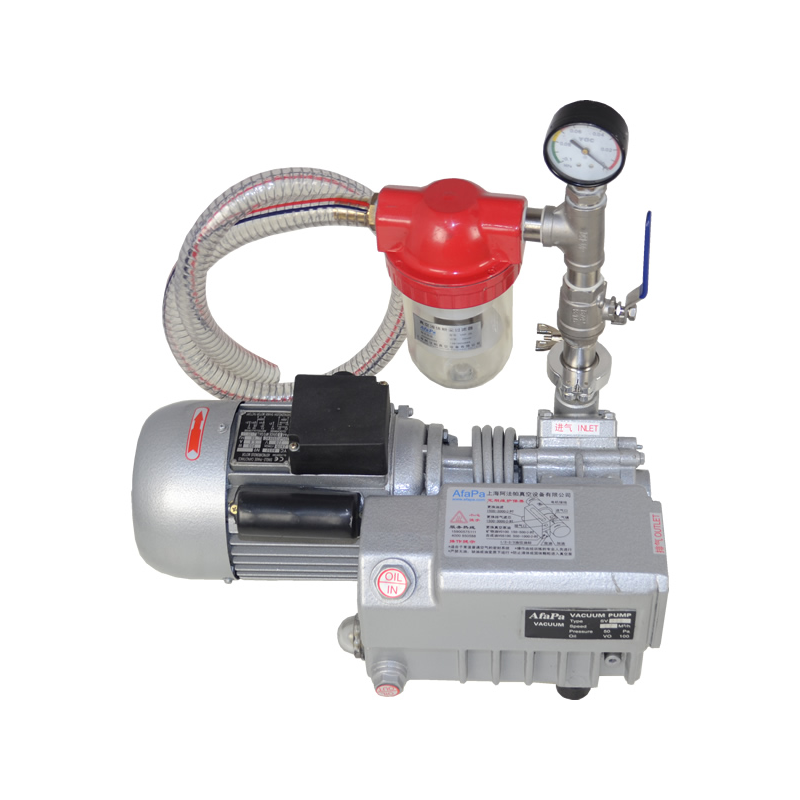
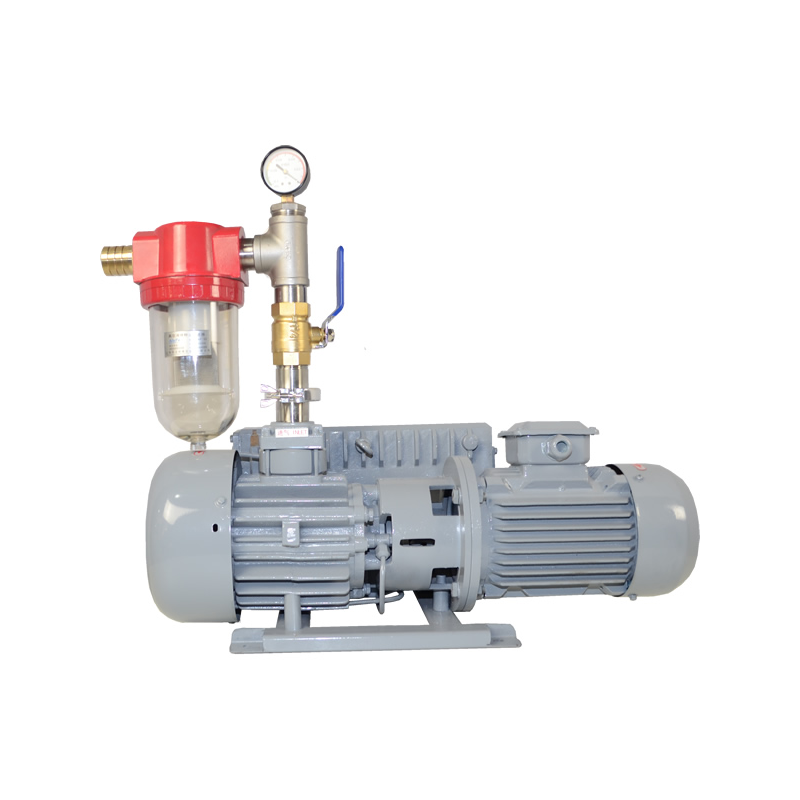
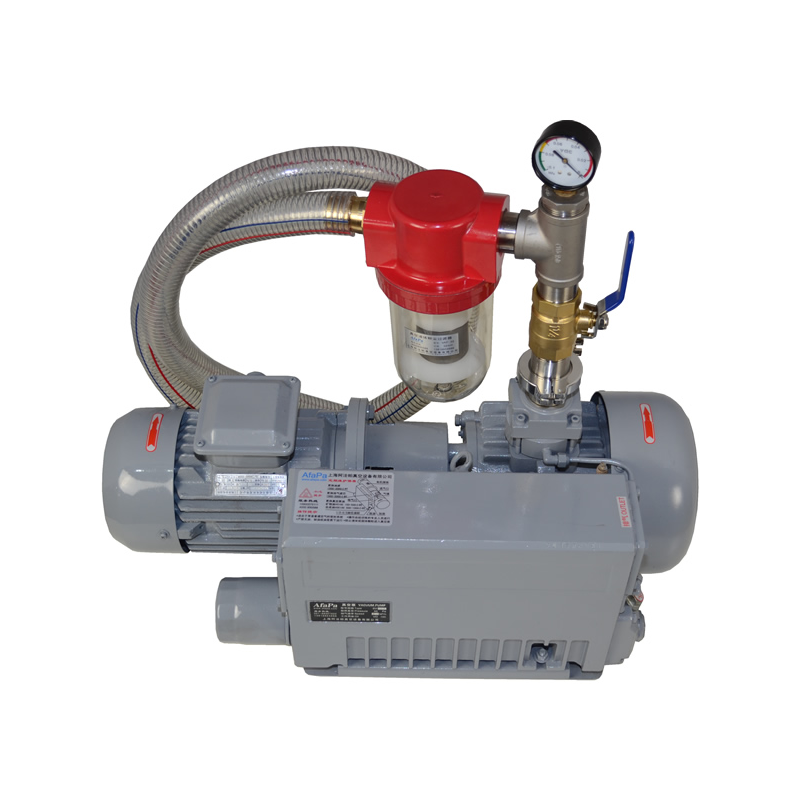
Think of it as the "smartphone" of the vacuum world. In the past, you had to buy a camera, a music player, and a phone separately. Similarly, traditional vacuum setups require you to buy a pump, a separate tank, gauges, and filters, and then hire someone to pipe them together.
The MVS is a plug and play vacuum system. It integrates a high-performance rotary vane pump (like the SV-010 or SV-100), a dust filter, gauges, and a control box into one compact, neat unit. As a user, your job is simple: connect the power wire and the vacuum pipeline, and you are ready to go.
The model numbers roughly correspond to the "Pumping Speed" in cubic meters per hour.
For small labs: The MVS-10 or MVS-20 (providing 10-20 $m^3/h$) is usually sufficient for running a few rotary evaporators or filtration units.
For packaging or production lines: You might need the MVS-63 or MVS-100. These are powerful enough to act as a central vacuum system for laboratory or factory floors, handling multiple connection points simultaneously without losing suction.
You can, but it often costs more in the long run. A standalone pump lacks protection. Without a proper vacuum pump maintenance guide or built-in protection, pumps can get damaged by dust or debris.
The MVS system comes with a built-in "Vacuum Dust Filter" (like the VAF-15 or VAF-32 shown in your specs). This protects the heart of the machine—the motor and pump—ensuring longevity. Plus, getting an all-in-one vacuum solution means you don't have to worry about compatibility issues between parts.
Absolutely. This is a small industrial vacuum pump system designed with a footprint in mind. Instead of a sprawling mess of pipes and tanks taking up your floor space, the MVS consolidates everything. Whether you need a 0.35 kW motor (MVS-10) or a powerful 2.2 kW motor (MVS-100), the vertical integration saves valuable square footage.
Not at all. The design is user-friendly. Key maintenance points, like the ball valve and inlet filters, are easily accessible. Since it is a ready to use vacuum unit, you spend less time troubleshooting leaks in complex piping and more time focusing on your actual work.
|
Model
|
MVS-10
|
MVS-20
|
MVS-25
|
MVS-40
|
MVS-63
|
MVS-100
|
|
Vacuum Pump
|
SV-010
|
SV-020
|
SV-025
|
SV-040
|
SV-063
|
SV-100
|
|
Pumping Speed (M(3)/h)
|
10
|
20
|
25
|
40
|
63
|
100
|
|
Vacuum Range (MPa)
|
0~-0.1
|
0~-0.1
|
0~-0.1
|
0~-0.1
|
0~-0.1
|
0~-0.1
|
|
Motor Power(Kw/Hp)
|
0.35/0.48
|
0.75/1.0
|
0.75/1.0
|
1.1/1.5
|
1.5/2.0
|
2.2/3.0
|
|
Vacuum Dust Filter
|
VAF-15
|
VAF-15
|
VAF-15
|
VAF-32
|
VAF-32
|
VAF-32
|
|
Ball Valve
|
1/2’
|
1/2’
|
1/2’
|
1 1/4’
|
1 1/4’
|
1 1/4’
|
|
Power(V)
|
220/380
|
220/380
|
220/380
|
380
|
380
|
380
|
|
Inlet Hole Size
|
1/2’
|
1/2’
|
1/2’
|
1 1/4’’
|
1 1/4’’
|
1 1/4’’
|
Our hours


Public Account



 IPv6 network supported