EN
EN RU
RU

 Industry News
 CPHI & PMEC Shenzhen 2026 Successfully Concludes: Connecting, Collaborating and Moving Forward
2026-09-20
2026-09-16
2026-09-11
2026-09-09
2026-09-02
2026-08-28

 Current Affairs
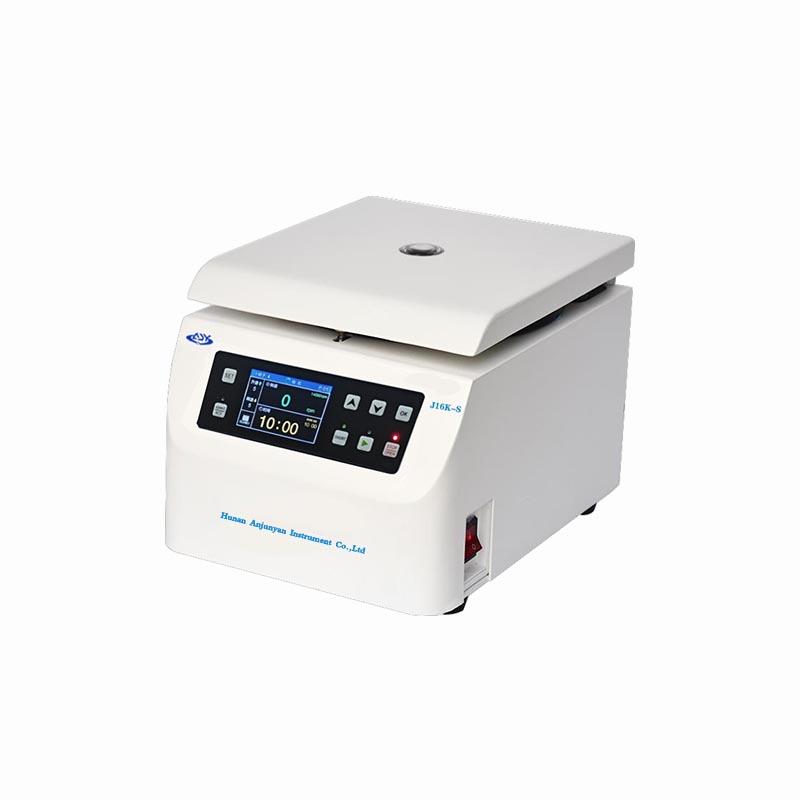
A desktop high-speed microcentrifuge looks small and simple on a lab bench. But if you have never used one before, it may not be clear how it works or how to choose the right model.
1. What is a desktop high-speed microcentrifuge?
A desktop high-speed microcentrifuge is a small machine that spins tiny tubes—usually 1.5 mL or 2 mL—at very fast speeds (often 12,000–15,000 rpm or more).
In simple words:
It uses very fast spinning to separate the parts inside a liquid sample. Faster speed means faster and cleaner separation.
2. What is a microcentrifuge used for?
It is commonly used for:
Search terms like “compact centrifuge 5000–15000 rpm for biotech lab” show that many users need strong performance in a small machine.
3. How do I choose the right model?
If this is your first time buying one, compare these points:
• Maximum Speed (RPM) and G-force
Higher speed gives better separation.
For DNA or plasmid work, 12,000–15,000 rpm is the common requirement.
• Rotor Types
Check whether it supports 1.5 mL tubes, 2 mL tubes, or PCR tubes.
A common search is “desktop microcentrifuge rotor compatibility eppendorf 2 ml”—meaning users want to make sure tubes fit correctly.
• Safety Features
Look for:
• Noise Level
Some labs need quiet operation.
• Size
For small workspaces, compact models are popular.
Example: “mini centrifuge benchtop pros and cons for lab”.
4. Are high-speed desktop microcentrifuges safe for beginners?
Yes, if used correctly. Most new models have:
Important rule:
Always balance the tubes by weight, not just by looking at them.
Even small tubes spin with very strong force.
5. What is the difference between a normal centrifuge and a high-speed microcentrifuge?
A normal centrifuge:
A high-speed microcentrifuge:
6. Should I buy it online or from a distributor?
Buying online is fast and simple. Many people search “desktop high-speed microcentrifuge for sale” when they want quick access.
Buying from a distributor may give you:
No matter where you buy, check:
7. Final Advice for Beginners
If this is your first microcentrifuge:
A good microcentrifuge becomes one of the most frequently used tools in any small lab.
Disclaimer: This website respects intellectual property rights. If any infringement is found, please contact this website in a timely manner for handling.
Our hours


Public Account



 IPv6 network supported