Pass Boxes Explained: How Regular and Clean Pass Boxes Improve Cleanroom Safety and Workflow
In cleanrooms and controlled environments, even small transfer errors can lead to contamination, batch failure, or compliance issues. Pass boxes are designed to solve one of the most common operational challenges: how to safely transfer materials between areas of different cleanliness levels without compromising the environment.
This Q&A guide explains what pass boxes are, how they work, and how to choose between a Regular Pass Box and a Clean Pass Box for your application.
Q1: What Is a Pass Box and Why Is It Important?
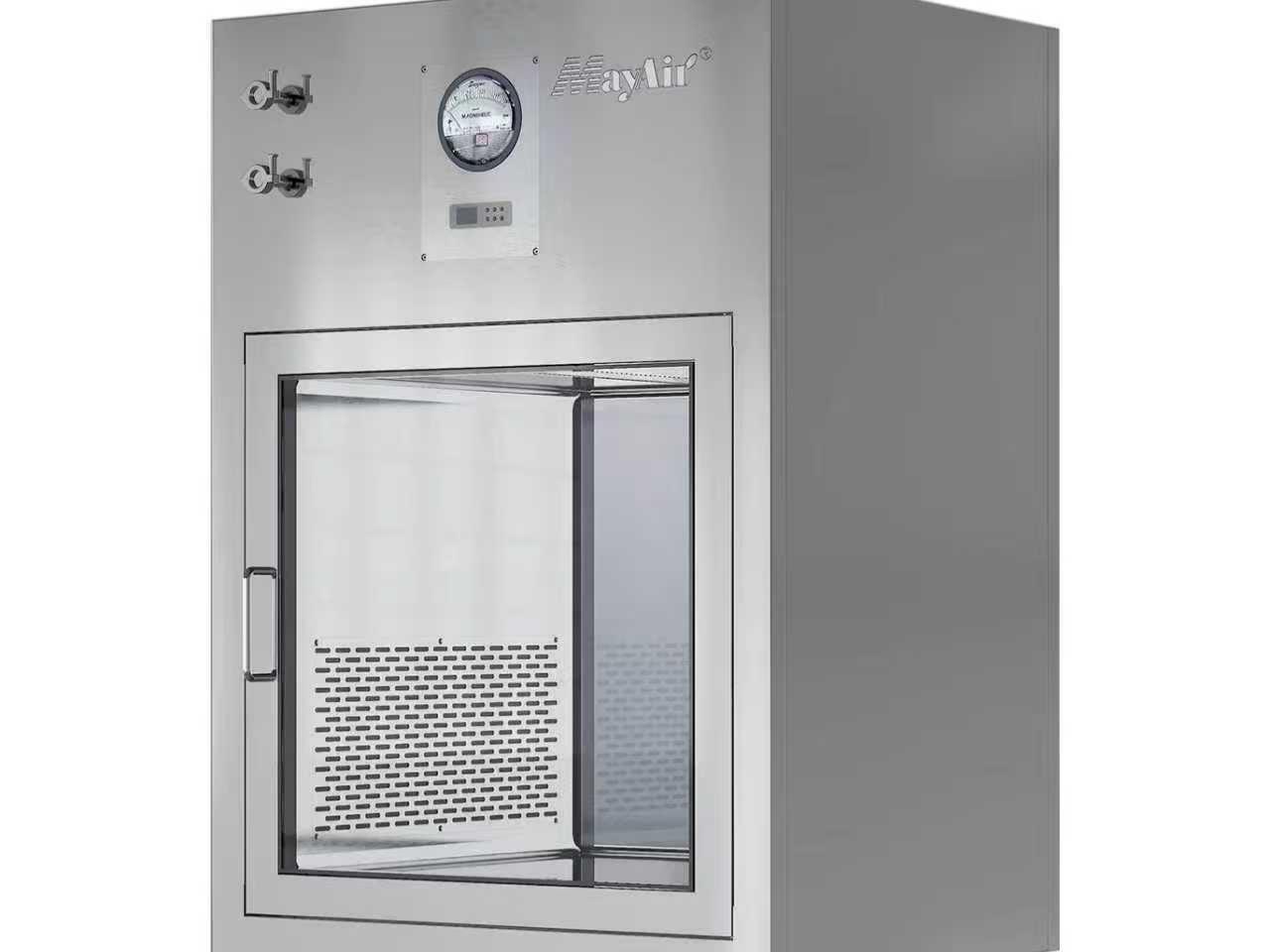
A pass box is a sealed transfer chamber installed between two rooms of different cleanliness classifications. It allows materials to be passed in and out without opening doors directly between cleanroom zones.
Pass boxes are essential for:
Preventing cross-contamination
Maintaining pressure differentials
Improving workflow efficiency
Supporting GMP and cleanroom compliance
They are widely used in:
Pharmaceutical manufacturing
Biotechnology and laboratories
Hospitals and sterile processing areas
Electronics and semiconductor cleanrooms
Q2: What Problems Do Pass Boxes Solve in Cleanroom Operations?
From a user perspective, pass boxes address several high-frequency pain points:
Contamination during material transfer
Opening doors between clean zones introduces particles and microorganisms.
Workflow interruptions
Personnel movement for material transfer increases traffic and contamination risk.
Compliance pressure
Regulatory standards require controlled transfer processes between classified areas.
A properly designed pass box creates a controlled, traceable, and repeatable transfer process, reducing risk and improving operational consistency.
Q3: What Is the Difference Between a Regular Pass Box and a Clean Pass Box?
Understanding this difference is critical for correct system selection.
Regular Pass Box
A Regular Pass Box is a sealed transfer chamber with:
Mechanical or electronic interlocking doors
No active air filtration or airflow
It is suitable for:
Transfers between areas of similar cleanliness
Non-critical materials
Cost-sensitive applications
Clean Pass Box
A Clean Pass Box includes additional contamination-control features:
HEPA-filtered airflow
Internal air circulation or purging
Optional UV sterilization
It is designed for:
Transfers between areas of different cleanliness grades
Critical pharmaceutical or biotech materials
Applications with higher contamination risk
Q4: How Does a Clean Pass Box Work?
A clean pass box actively reduces contamination during material transfer.
Typical operating process
Material is placed inside the pass box
Interlocked doors prevent simultaneous opening
HEPA-filtered air circulates to remove particles
Optional UV or timed purge cycles are completed
Material is retrieved on the clean side
This process ensures that particles are removed before the clean-side door is opened.
Q5: When Should I Choose a Clean Pass Box Instead of a Regular Pass Box?
Choose a Clean Pass Box if:
Materials move between different cleanroom grades
Products are sensitive to contamination
GMP or sterile manufacturing standards apply
Audit traceability and risk reduction are priorities
A Regular Pass Box may be sufficient if:
Both rooms share similar cleanliness levels
Materials are sealed or low risk
Budget and simplicity are key considerations
Q6: What Features Should I Look for in a Pass Box?
Key features that impact usability and compliance include:
Interlocking system (mechanical or electronic)
Construction material (typically stainless steel)
Smooth, easy-to-clean internal surfaces
Door status indicators and alarms
HEPA filtration efficiency (for clean pass boxes)
Optional UV disinfection or monitoring functions
Well-designed pass boxes integrate seamlessly into cleanroom workflows and reduce operator error.
Q7: Are Pass Boxes Required for GMP and Cleanroom Compliance?
While regulations may not always explicitly name “pass boxes,” controlled material transfer is a core GMP and cleanroom requirement.
Pass boxes support:
Cleanroom zoning principles
Contamination control strategies
Audit-ready facility design
During inspections, uncontrolled material movement is a common observation. Pass boxes help demonstrate a designed and validated transfer process.
Q8: What Are Common Mistakes in Pass Box Use?
Even the right equipment can fail if misused.
Common mistakes include:
Opening doors too quickly or forcefully
Bypassing interlock systems
Skipping purge or UV cycles
Overloading the chamber
Clear SOPs and user training are essential to maintain performance.
Q9: How Do Pass Boxes Improve Long-Term Efficiency?
Beyond contamination control, pass boxes:
Reduce personnel traffic in cleanrooms
Improve material flow and productivity
Lower cleaning and revalidation frequency
Reduce batch loss risk
Over time, they contribute to lower operating costs and higher process reliability.
Conclusion: Why Pass Boxes Are Essential for Cleanroom Operations
Whether using a Regular Pass Box or a Clean Pass Box, these systems play a critical role in maintaining cleanroom integrity.
By selecting the right type and using it correctly, facilities can:
Protect product quality
Improve compliance confidence
Streamline daily operations
For pharmaceutical, biotech, medical, and high-precision manufacturing environments, pass boxes are not optional accessories—they are core components of contamination control strategy.
Disclaimer: This website respects intellectual property rights. If any infringement is found, please contact this website in a timely manner for handling.
January 10, 2026
28